
Last updated: September 14, 2026
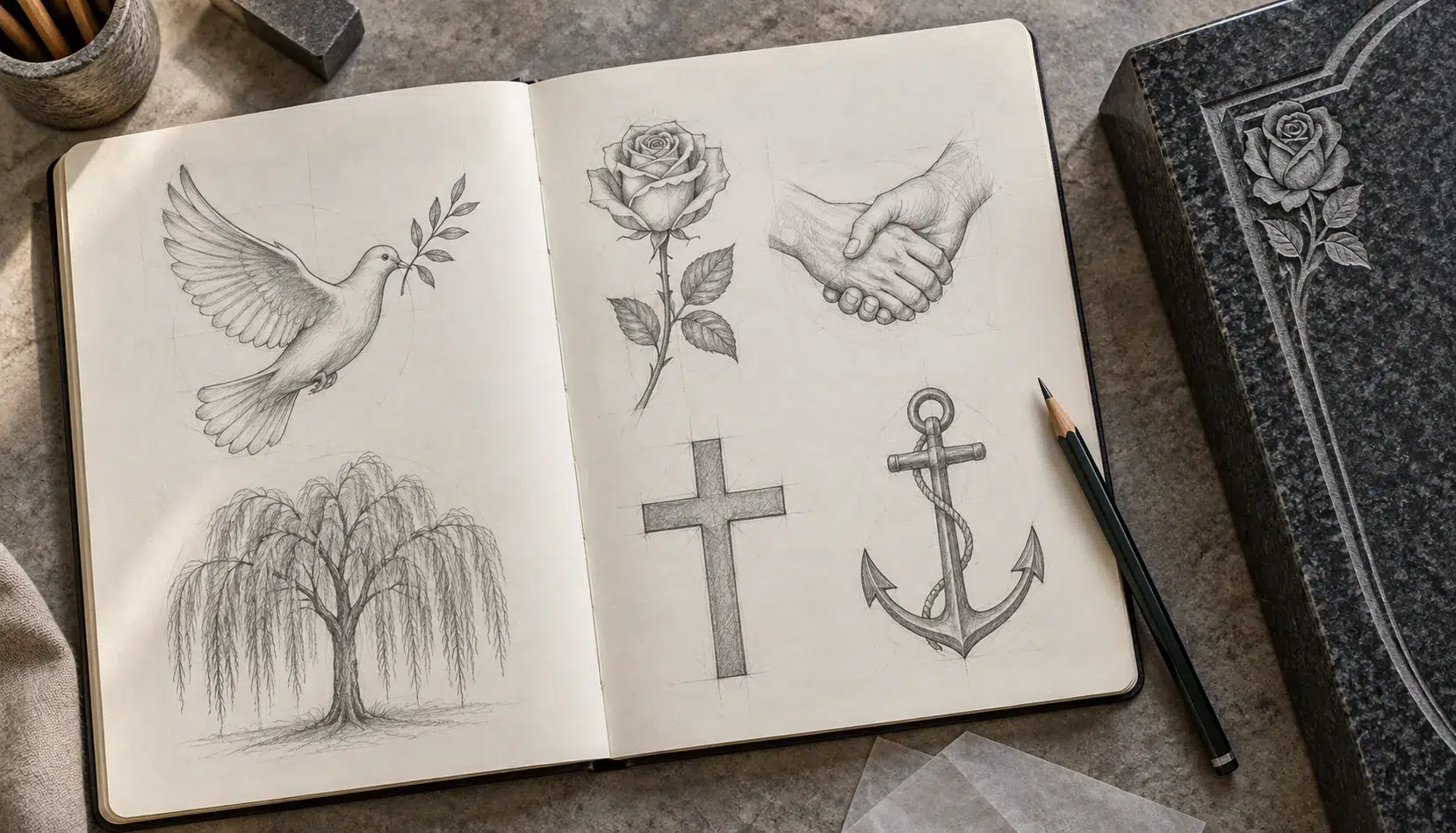
Walk through a cemetery in the GTA and you will see them. A dove above a name. Clasped hands. A rose cut into the corner of a stone. Headstone markings and symbols are carved emblems, letters and pictures. Each stands for a faith, a bond, a heritage or a life. These headstone symbols are not decoration. Most carry a traditional meaning built up over generations, and some carry more than one. Families still use them to say what a name and two dates cannot. The rest of the stone usually tells you which reading applies.
This guide explains headstone symbols and markings, group by group. It runs from the doves and lambs on Victorian stones to the hockey sticks families choose today. Meanings shift by era, region, faith and family. The readings here are the common ones. On a new monument the meaning is the family’s to choose. Some pick a symbol for what it stands for, others because the person simply loved it. Use the table below to look a symbol up, or jump to a category. If you are planning a monument, it will help you pick a symbol that says what you want.
At a glance
- Widely used symbols: a cross for faith, a dove for peace, a lamb for innocence, a rose for love. Ivy for lasting friendship and immortality, an anchor for hope.
- On older stones: the draped urn and the weeping willow, two well known mourning symbols of the 1800s.
- Faith symbols mark a religious tradition, from the cross to the Star of David and the crescent.
- Catholic cemeteries: Toronto’s Catholic Cemeteries and Funeral Services requires a cross in every marker design. Other emblems need its approval.
- Fraternal and service emblems mark membership: Masonic, Legion, fire service and more.
- Modern stones add personal emblems from the life lived: music, sports, the cottage, the trade.
- Try it: see an emblem on a stone in our monument designer before you ask for a quote.
- First step: confirm what your cemetery allows before you choose a design.
| Symbol | Meaning |
|---|---|
| Dove | Peace and the soul at rest; with an olive branch, hope |
| Lamb | Innocence and a child’s grave |
| Rose | Love and beauty; on Victorian stones the bloom stage marked the age at death |
| Cross | Christian faith and the hope of resurrection |
| Clasped hands | A farewell, or a marriage that death did not break |
| Anchor | Hope and steady faith, or a sailor |
| Ivy | Lasting friendship and immortality |
| Weeping willow | Grief and mourning |
| Draped urn | Mourning and the body left behind |
| Angel | A guardian of the grave and a guide for the soul |
Jump to a category
- How symbols get onto a headstone
- Birds
- Animals
- Flowers
- Trees and plants
- Faith and religious symbols
- Hands and figures
- Classic and Victorian objects
- Sun, stars and nature
- Service, military and fraternal emblems
- Trades and professions
- Modern and personal emblems
- Letters and abbreviations
- Choosing a symbol for a monument
- Cemetery rules for symbols in the GTA
- Frequently asked questions
Headstone markings and symbols: quick reference table
| Symbol | Usual meaning | Group |
|---|---|---|
| Dove | Peace and the soul at rest | Birds |
| Cardinal | A visit from a loved one who has died | Birds |
| Eagle | Courage, strength and a life of service; immortality | Birds |
| Sparrow | God’s care for the smallest life | Birds |
| Owl | Wisdom and watchfulness | Birds |
| Swallow | Motherhood, the spirit of a child, or consolation | Birds |
| Swan | Grace, a peaceful passing and faithful love | Birds |
| Hummingbird | Joy and living in the moment | Birds |
| Robin | A loved one near, or the coming of spring | Birds |
| Peacock | Immortality and resurrection | Birds |
| Loon | A life on the water, or a love of Ontario’s wilderness | Birds |
| Lamb | A child’s grave; innocence and purity | Animals |
| Lion | Courage and strength; a guardian of the tomb | Animals |
| Deer | Faithfulness and the soul thirsting for God; a hunter | Animals |
| Butterfly | The soul set free, and resurrection | Animals |
| Dragonfly | Change and transformation | Animals |
| Horse | A rider, a breeder or a farm family; older readings courage and generosity | Animals |
| Paw print | A loved companion and loyalty | Animals |
| Fish | Christian faith; on a modern stone, an angler | Animals |
| Rose | Love and beauty; on Victorian stones the bloom stage marked the age at death | Flowers |
| Rosebud on a broken stem | A life cut short, usually a child or young person | Flowers |
| Lily | Purity and innocence; resurrection | Flowers |
| Calla lily | Marriage; also purity and resurrection | Flowers |
| Dogwood | Christian sacrifice and resurrection; a spring flower | Flowers |
| Daisy | Innocence, often a child’s flower | Flowers |
| Poppy | Remembrance of military service; on older stones eternal sleep | Flowers |
| Forget me not | Remembrance and true love | Flowers |
| Tulip | Love; a red tulip, a declaration of love | Flowers |
| Sunflower | A life fulfilled, or steadfast faith | Flowers |
| Violet | Modesty and humility | Flowers |
| Morning glory | The brevity of life, or resurrection | Flowers |
| Thistle | Scottish roots | Flowers |
| Shamrock | Irish heritage; the Trinity | Flowers |
| Fleur de lis | French heritage; also linked with the Virgin Mary | Flowers |
| Trillium | Ontario; peace and hope | Flowers |
| Weeping willow | Grief and mourning | Trees and plants |
| Oak leaves and acorns | Strength, honour and endurance; a ripe old age | Trees and plants |
| Tree of life | Eternal life and family | Trees and plants |
| Ivy | Friendship, fidelity and immortality | Trees and plants |
| Wheat | A long life gathered in its season; the Eucharist | Trees and plants |
| Grape vine | Christ the vine; life and immortality | Trees and plants |
| Maple leaf | A Canadian life | Trees and plants |
| Evergreen | Eternal life | Trees and plants |
| Palm branch | Victory over death; a martyr | Trees and plants |
| Olive branch | Peace | Trees and plants |
| Laurel wreath | Victory and distinction | Trees and plants |
| Latin cross | A Christian burial and the hope of resurrection | Faith and religious symbols |
| Celtic cross | Eternity and Celtic heritage | Faith and religious symbols |
| Greek cross | A Christian mark with four equal arms; with IC XC NI KA, Jesus Christ conquers | Faith and religious symbols |
| Orthodox three bar cross | An Eastern Christian burial | Faith and religious symbols |
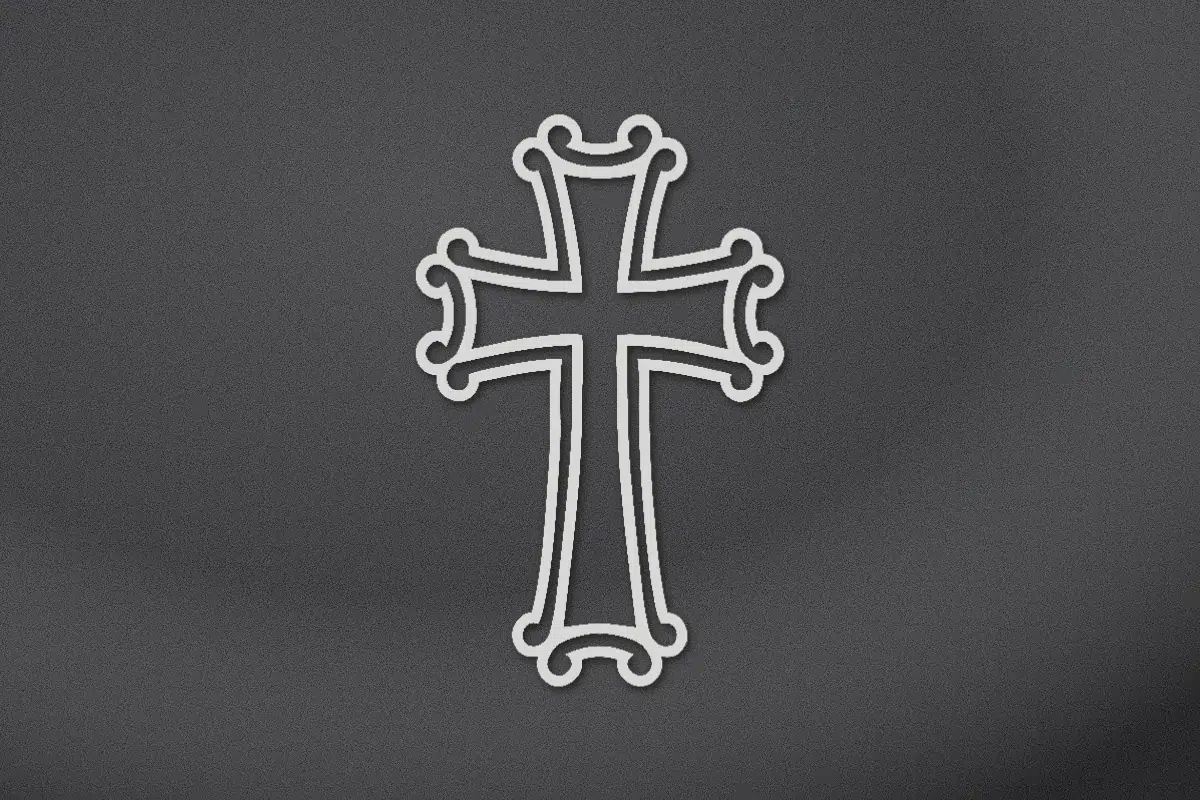
| Armenian cross | A family of the Armenian Apostolic Church | Faith and religious symbols |
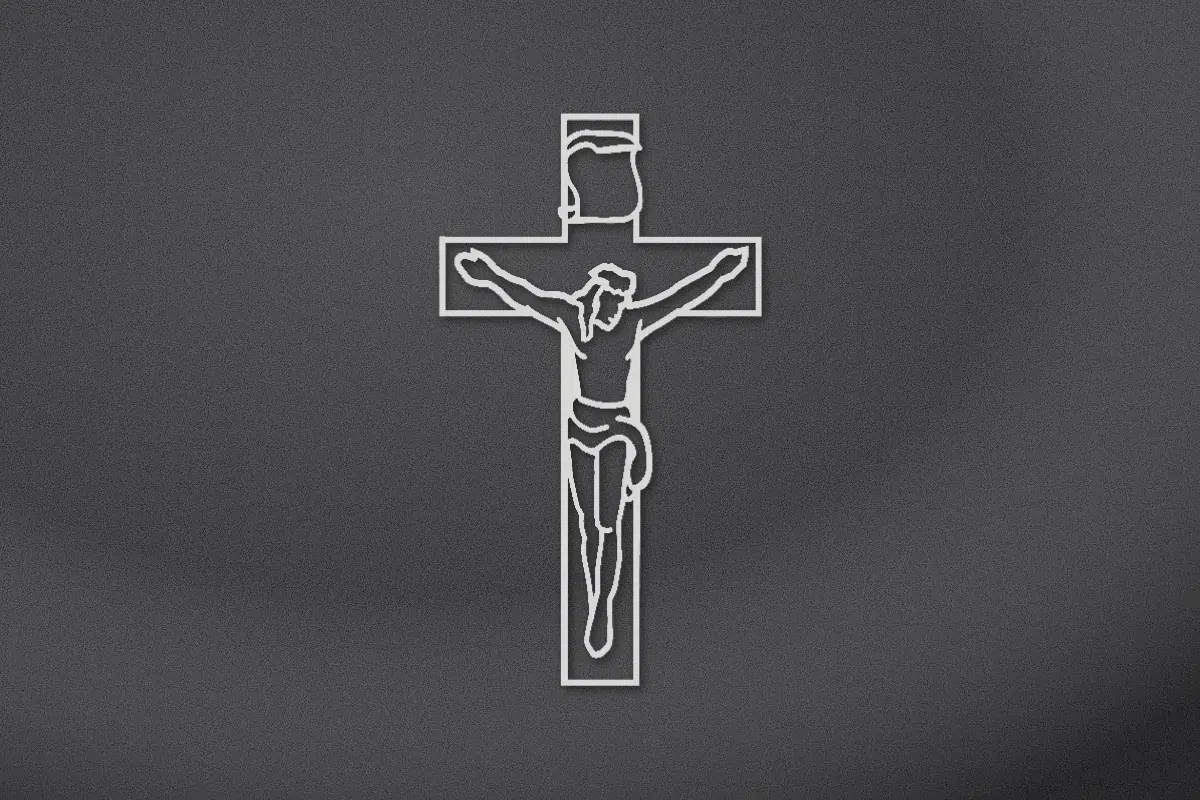
| Crucifix | A Roman Catholic grave; Christ’s sacrifice and redemption | Faith and religious symbols |
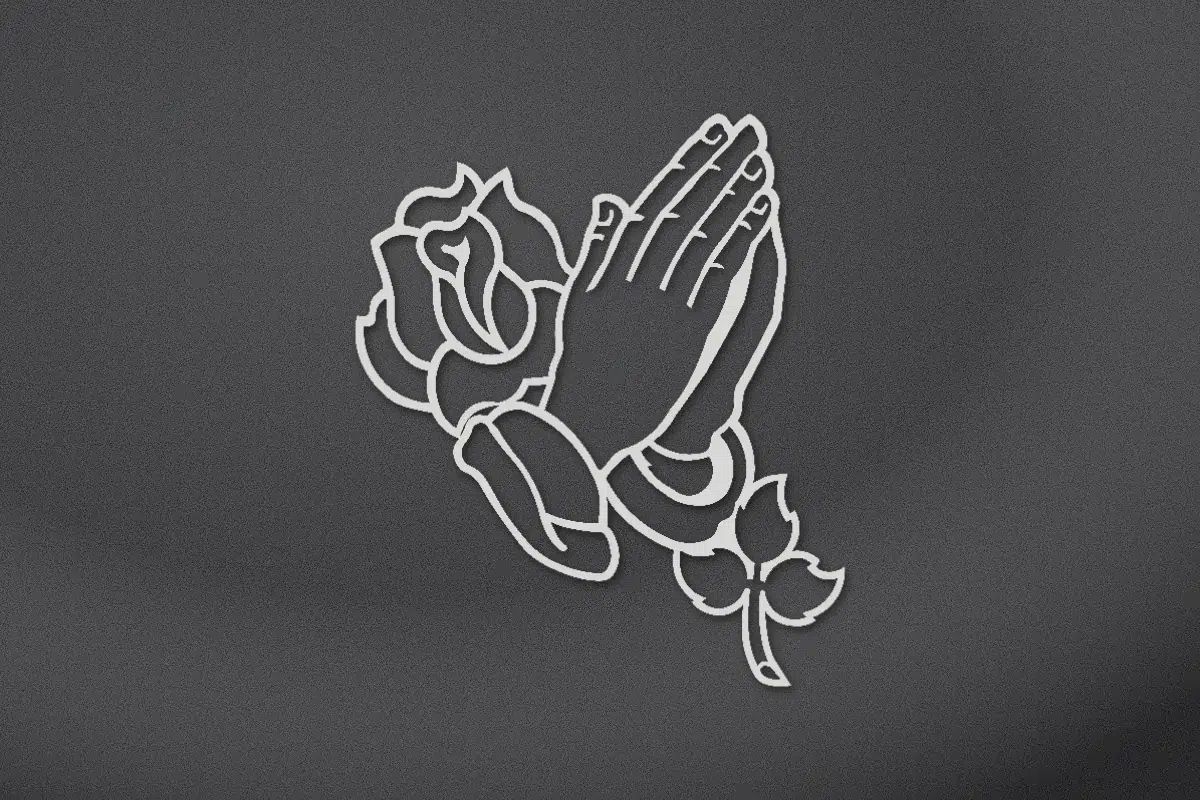
| Praying hands with rosary | Devotion and faith; with a rosary, a Catholic grave | Faith and religious symbols |
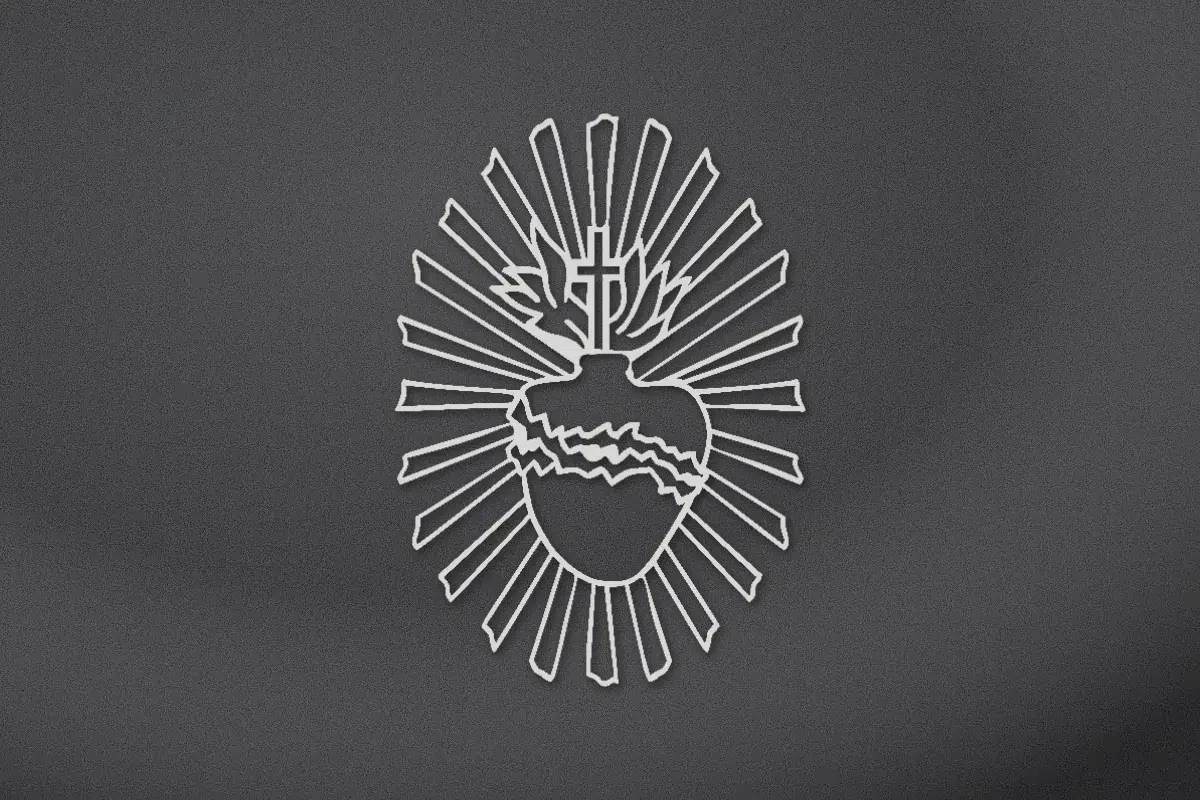
| Sacred Heart | The love of Christ for humanity | Faith and religious symbols |
| Madonna | A family’s devotion to Mary | Faith and religious symbols |
| Face of Christ | A Christian devotional image | Faith and religious symbols |
| Pieta | Mary cradling the body of Jesus; a Catholic devotion | Faith and religious symbols |
| Saints | The patron saint or personal devotion of the person or family | Faith and religious symbols |
| IHS monogram | The name of Jesus; a Christian grave | Faith and religious symbols |
| Alpha and Omega | God as the beginning and the end | Faith and religious symbols |
| Chi Rho | An early monogram of Christ | Faith and religious symbols |
| Ichthys fish | A quiet sign of Christian faith | Faith and religious symbols |
| Open Bible | A life guided by scripture | Faith and religious symbols |
| Star of David | A Jewish burial | Faith and religious symbols |
| Hebrew abbreviations | Here lies, and a blessing for the soul, on most Jewish stones | Faith and religious symbols |
| Hands of the Kohanim (Priestly Blessing) | The Priestly Blessing, marking a Kohen | Faith and religious symbols |
| Levite pitcher | A Levite, a descendant of the tribe of Levi | Faith and religious symbols |
| Menorah | The divine presence; a Jewish grave | Faith and religious symbols |
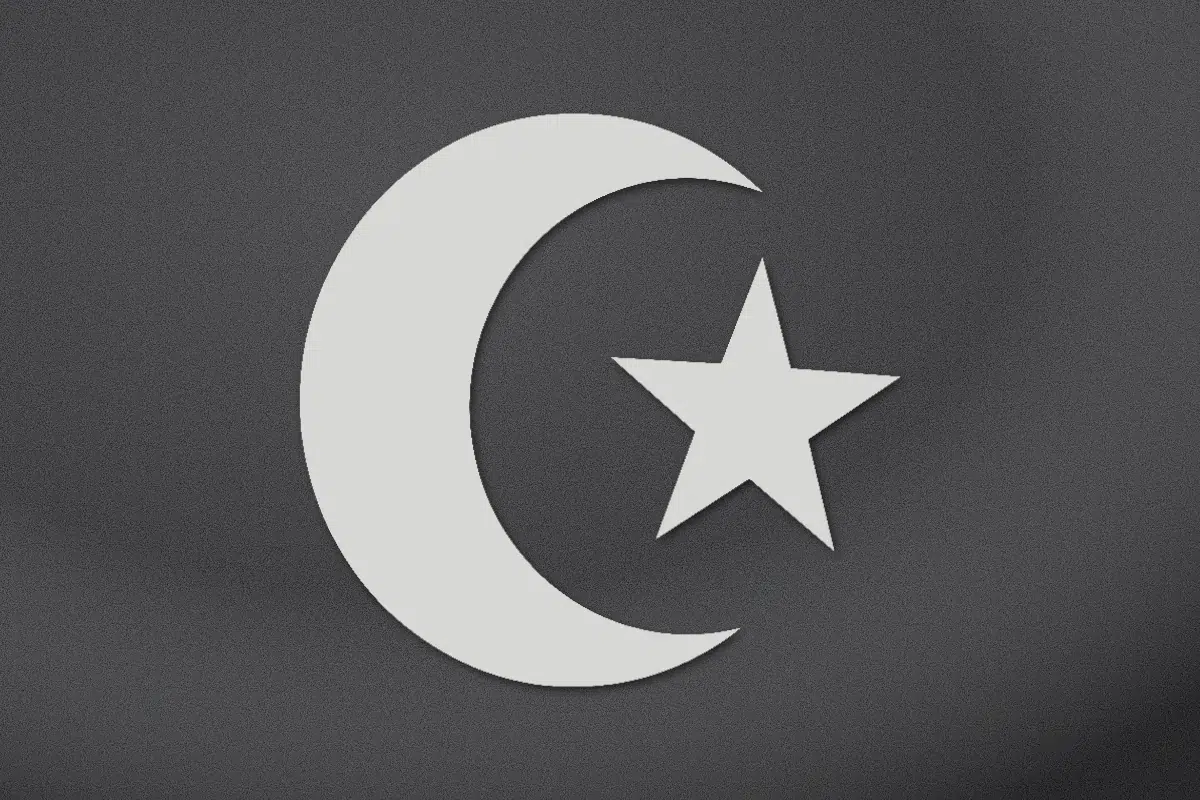
| Crescent and star | A Muslim grave, as a cultural emblem; many graves carry Arabic script instead | Faith and religious symbols |
| Khanda | The emblem of the Sikh faith; Ik Onkar is the other Sikh mark | Faith and religious symbols |
| Om | A Hindu family; the supreme reality | Faith and religious symbols |
| Dharma wheel | A Buddhist family; with eight spokes, the Noble Eightfold Path | Faith and religious symbols |
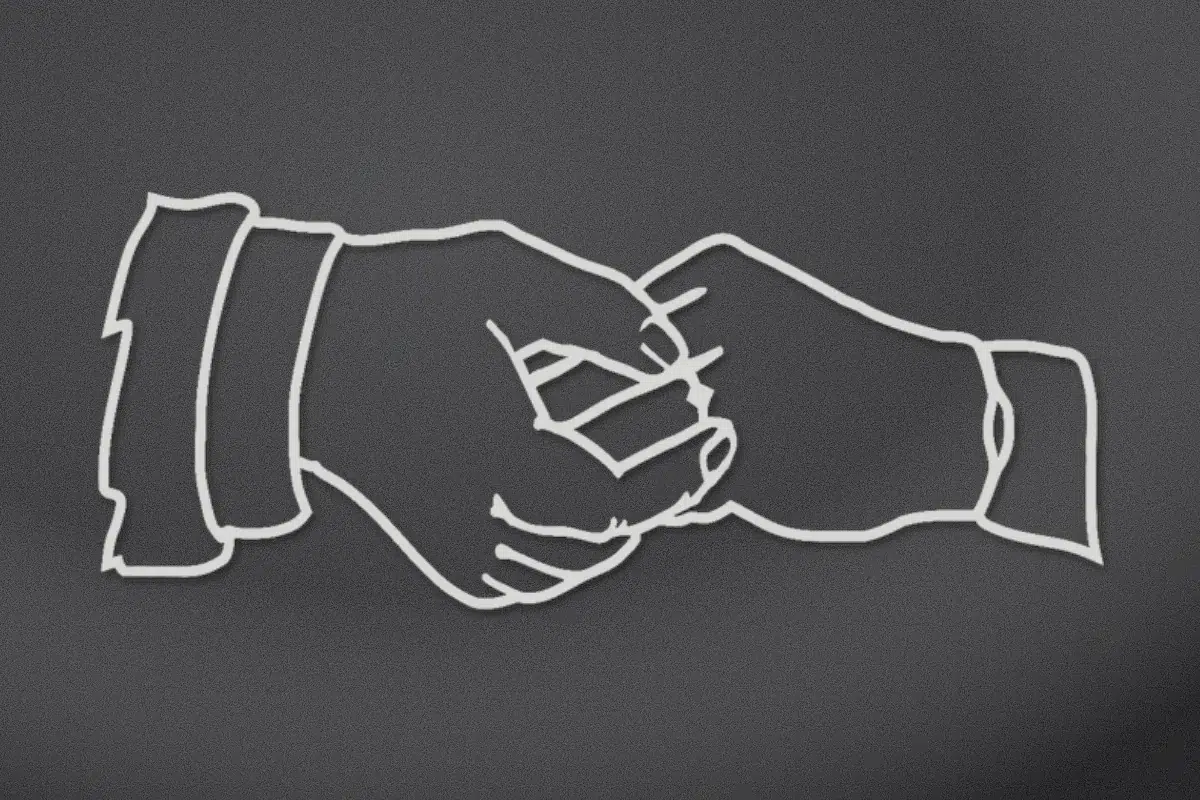
| Clasped hands | A farewell, or a marriage that death did not break | Hands and figures |
| Hand pointing up | The soul has risen to heaven | Hands and figures |
| Hand pointing down | A sudden death, or God reaching down for the soul | Hands and figures |
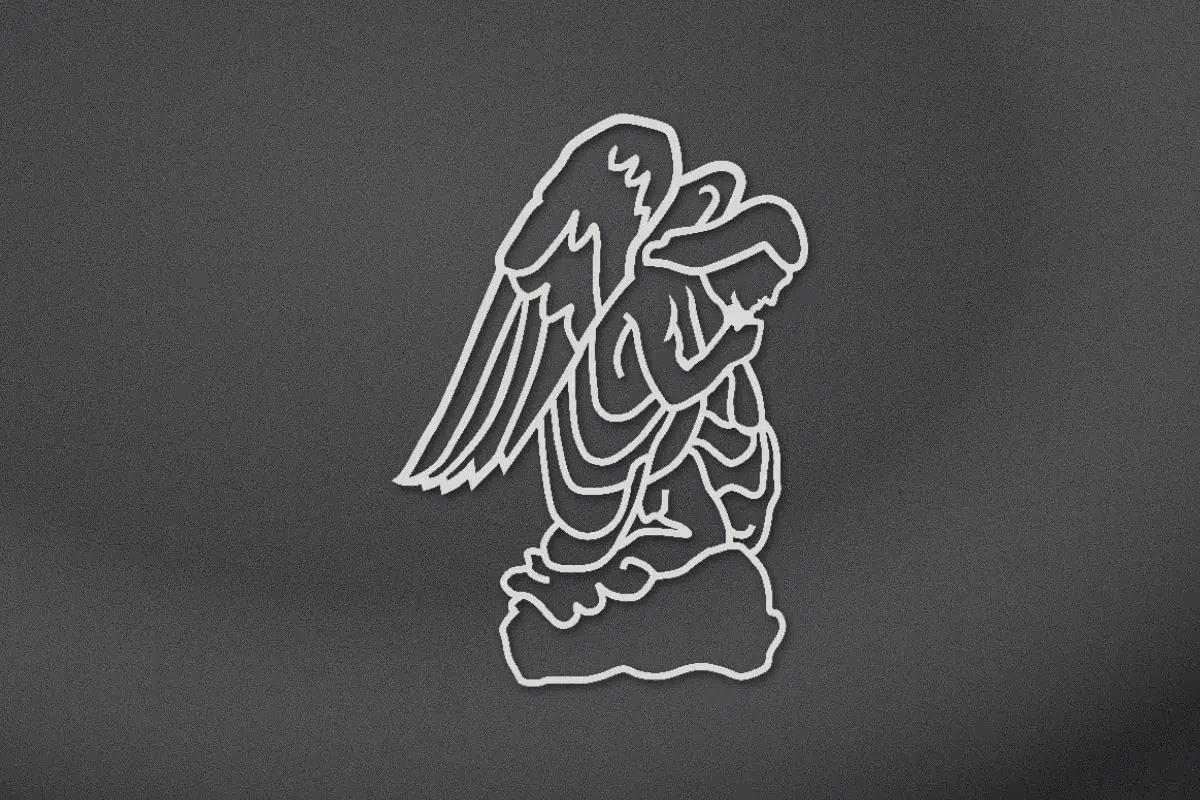
| Angel | Guardianship and guidance for the soul | Hands and figures |
| Cherub | A child’s grave; innocence | Hands and figures |
| Anchor | Hope and steady faith, or a sailor | Classic and Victorian objects |
| Broken column | A life cut short | Classic and Victorian objects |
| Draped urn | Mourning and the body left behind | Classic and Victorian objects |
| Winged hourglass | Time flies and life is brief | Classic and Victorian objects |
| Gates of heaven | The soul entering heaven | Classic and Victorian objects |
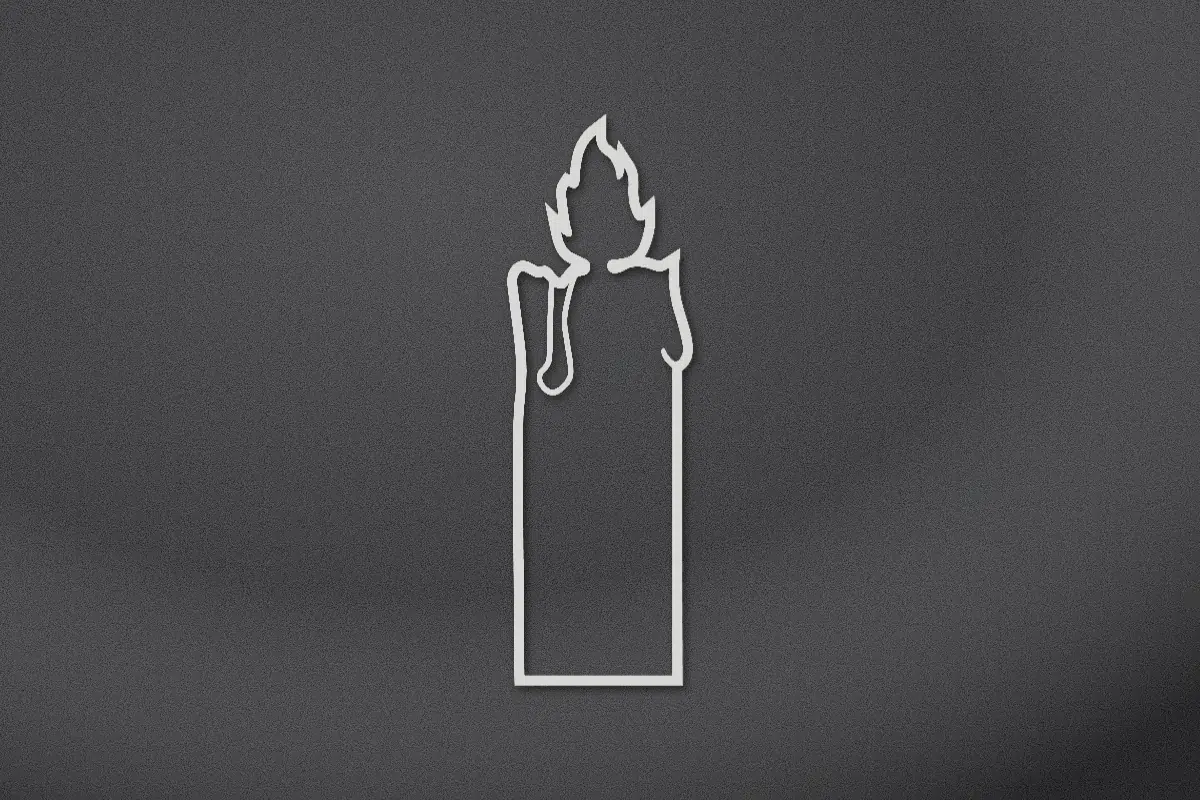
| Candle | The soul and the light of a life | Classic and Victorian objects |
| Inverted torch | A life that has ended | Classic and Victorian objects |
| Crown | Victory over death and the reward of a faithful life | Classic and Victorian objects |
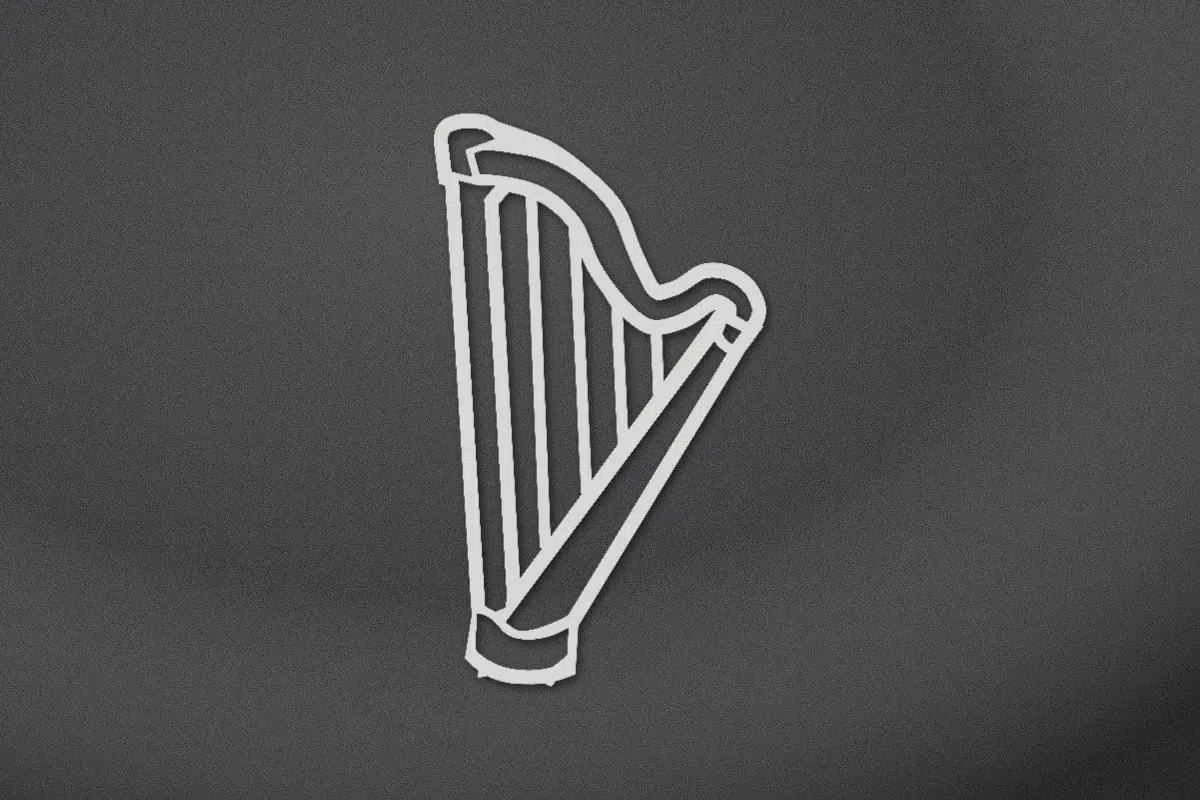
| Harp | Praise and music in heaven; Irish roots | Classic and Victorian objects |
| Scroll | A life and the time it was given | Classic and Victorian objects |
| Lamp | Knowledge and the lasting light of the spirit | Classic and Victorian objects |
| Broken chain | A death in the family, one link removed | Classic and Victorian objects |
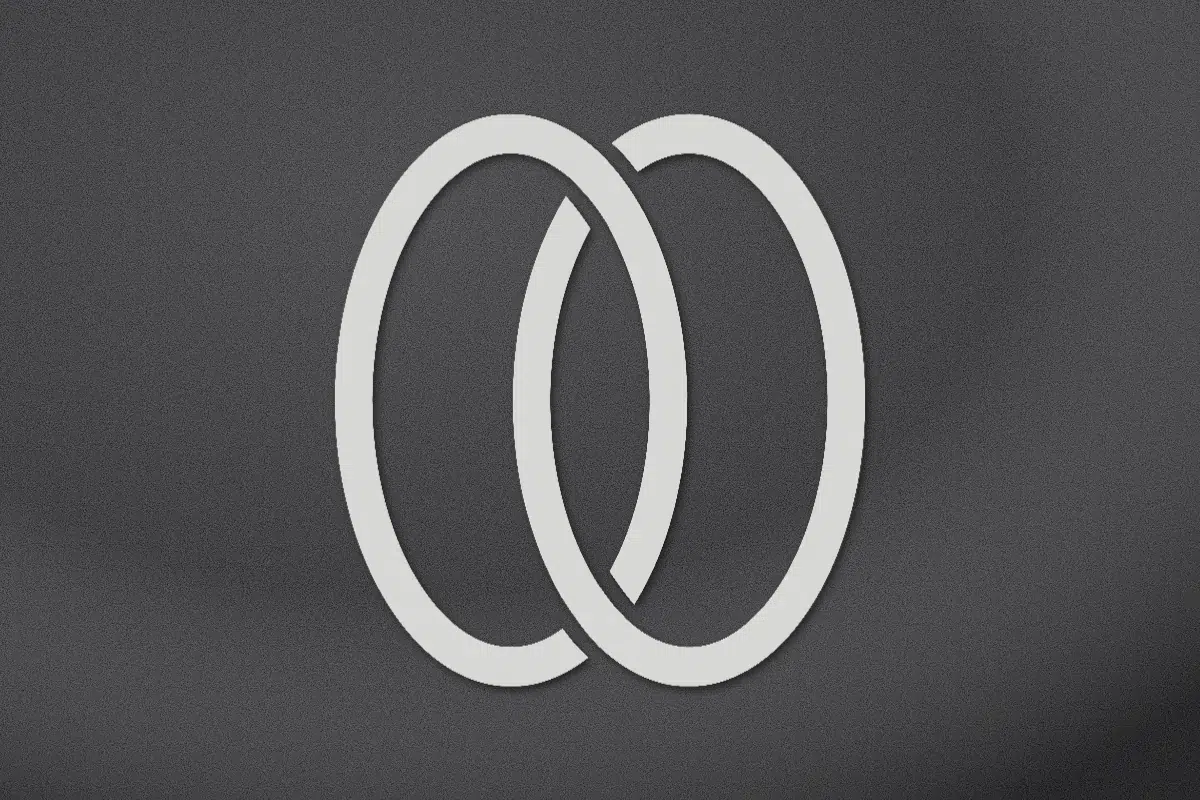
| Wedding rings | A marriage | Classic and Victorian objects |
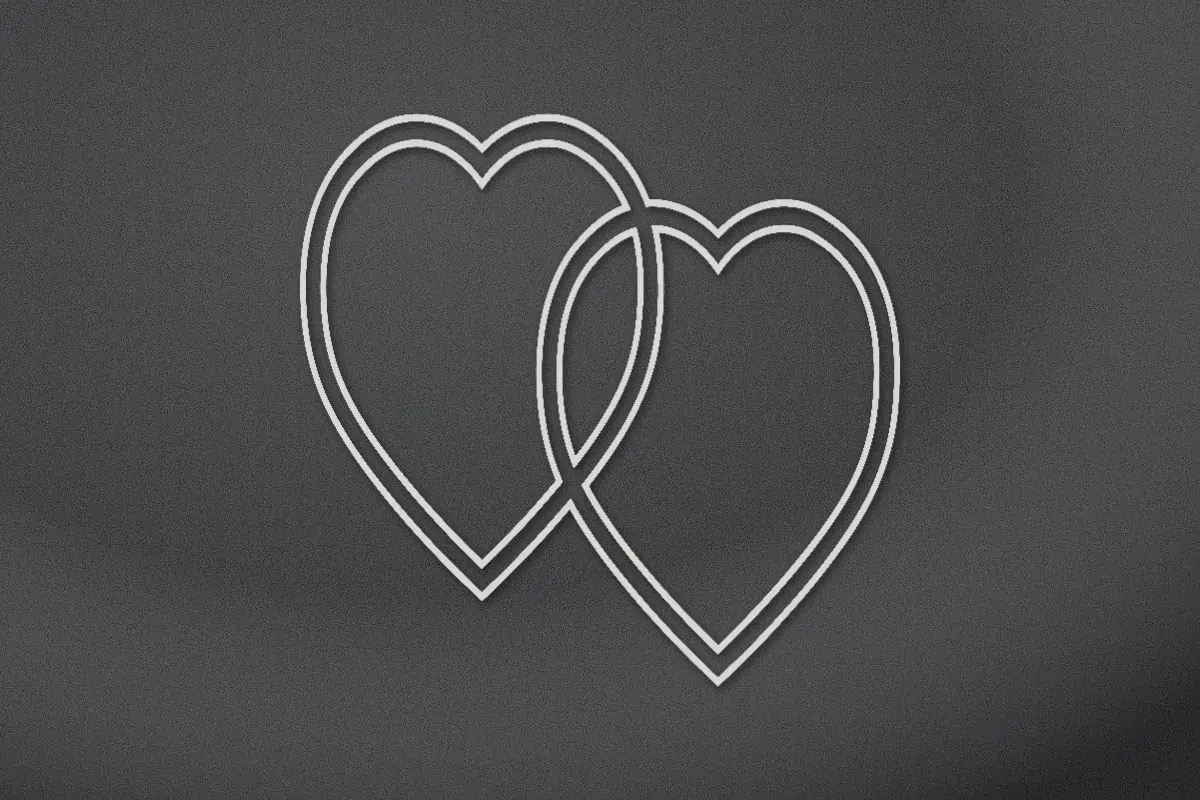
| Heart | Love; two hearts for a couple | Classic and Victorian objects |
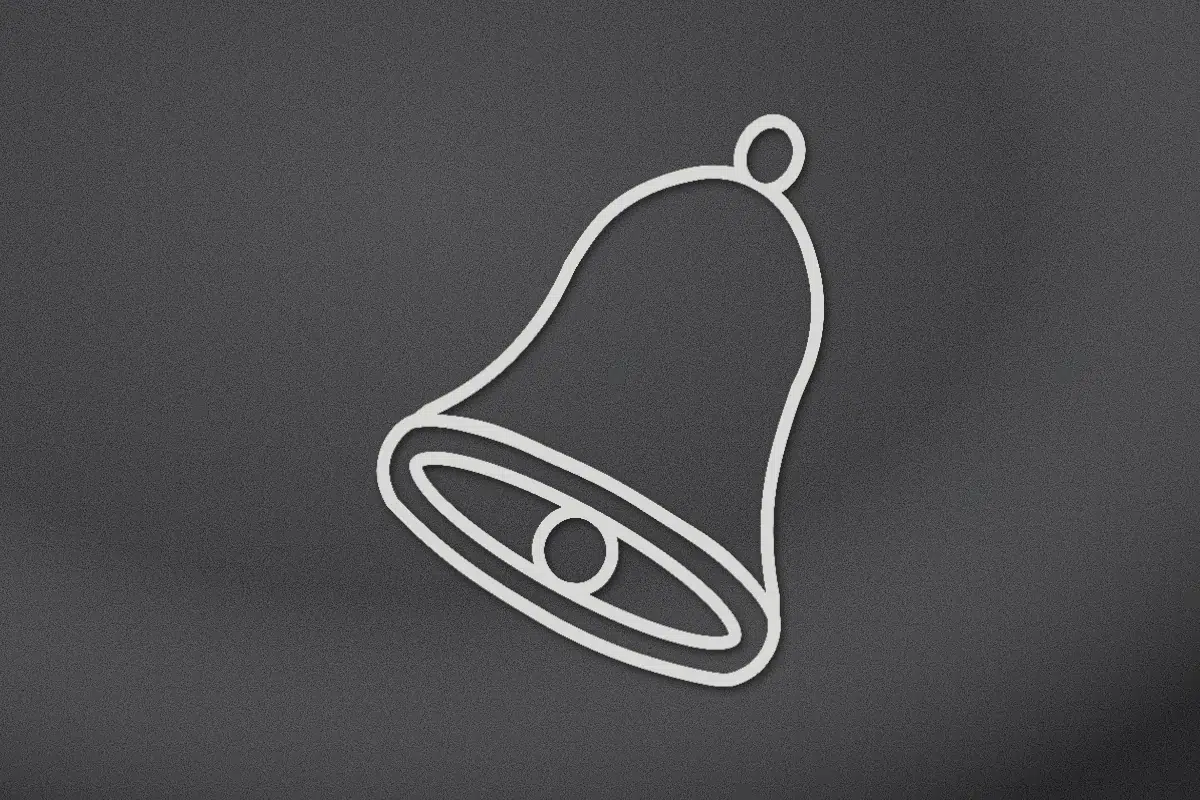
| Bell | Religious faith and the call to worship | Classic and Victorian objects |
| Ship | A sailor, or the voyage of life | Classic and Victorian objects |
| Lighthouse | Guidance and safe harbour | Classic and Victorian objects |
| Rising sun | Renewed life and resurrection | Sun, stars and nature |
| Setting sun | Death, the close of an earthly life | Sun, stars and nature |
| Moon and stars | Rebirth and the spirit shining in the dark | Sun, stars and nature |
| Single star | The spirit and divine guidance | Sun, stars and nature |
| Clouds | Heaven and the veil between the living and God | Sun, stars and nature |
| Rainbow | Hope and the promise of resurrection | Sun, stars and nature |
| Mountains | A place the person loved or a life outdoors | Sun, stars and nature |
| Waves | A life spent on or near the water | Sun, stars and nature |
| Masonic square and compasses | Membership in a Masonic lodge | Service, military and fraternal emblems |
| Order of the Eastern Star | Membership in the order and its Bible virtues | Service, military and fraternal emblems |
| Odd Fellows three links | Friendship, love and truth; Odd Fellows membership | Service, military and fraternal emblems |
| Knights of Columbus emblem | Knights of Columbus membership | Service, military and fraternal emblems |
| Aviation wings | A pilot or aircrew | Service, military and fraternal emblems |
| Firefighter Maltese cross | A firefighter’s service | Service, military and fraternal emblems |
| Military service emblems | Where a person served | Service, military and fraternal emblems |
| Last Post Fund military marker | A veteran’s grave marked by the Last Post Fund | Service, military and fraternal emblems |
| Royal Canadian Legion | Legion membership and remembrance | Service, military and fraternal emblems |
| Rod of Asclepius and caduceus | A doctor | Trades and professions |
| Nurse’s lamp and cap | A nurse | Trades and professions |
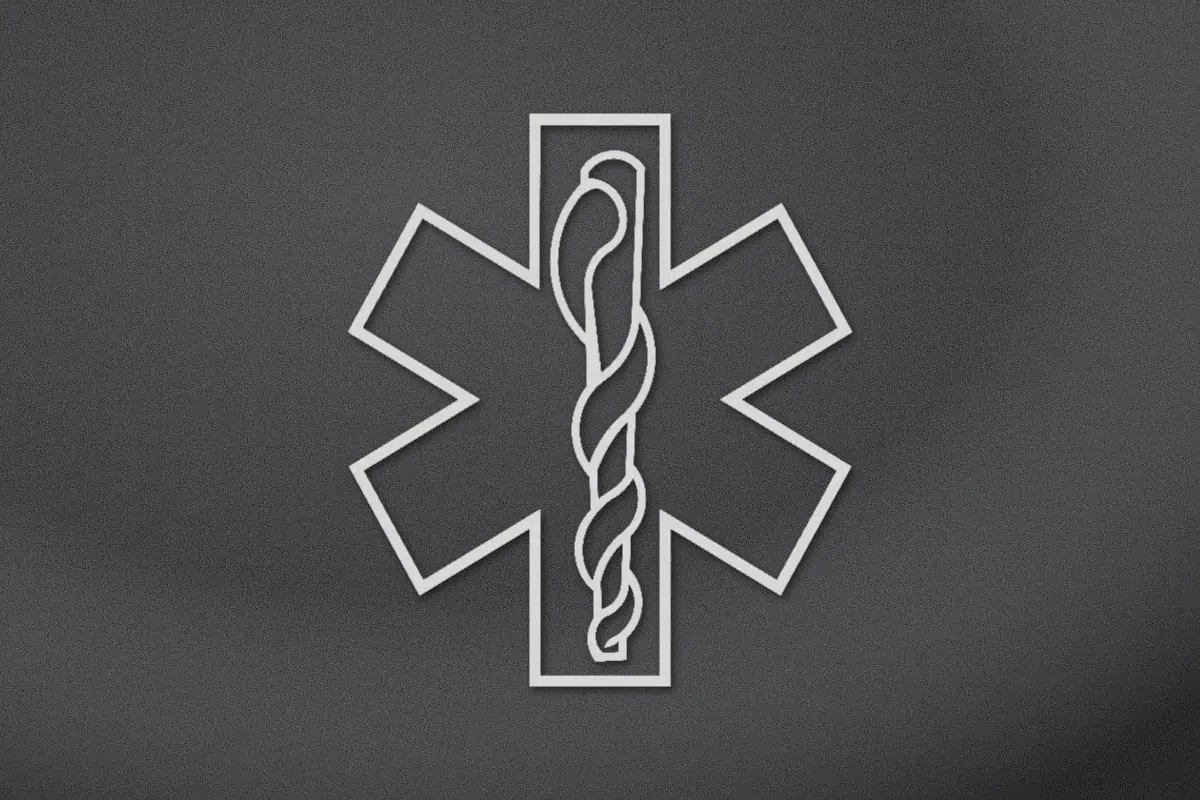
| Star of Life | A paramedic or emergency medical worker | Trades and professions |
| Police badge | A police officer | Trades and professions |
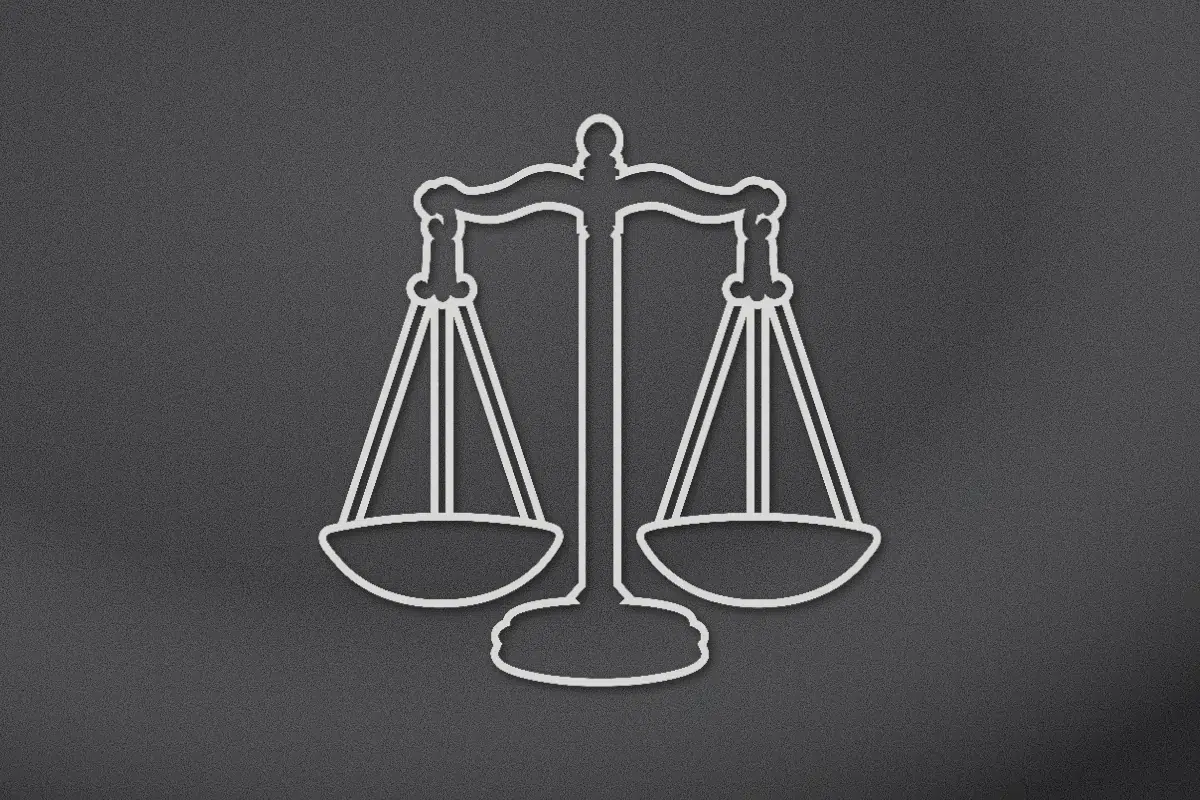
| Scales of justice | A lawyer or a judge | Trades and professions |
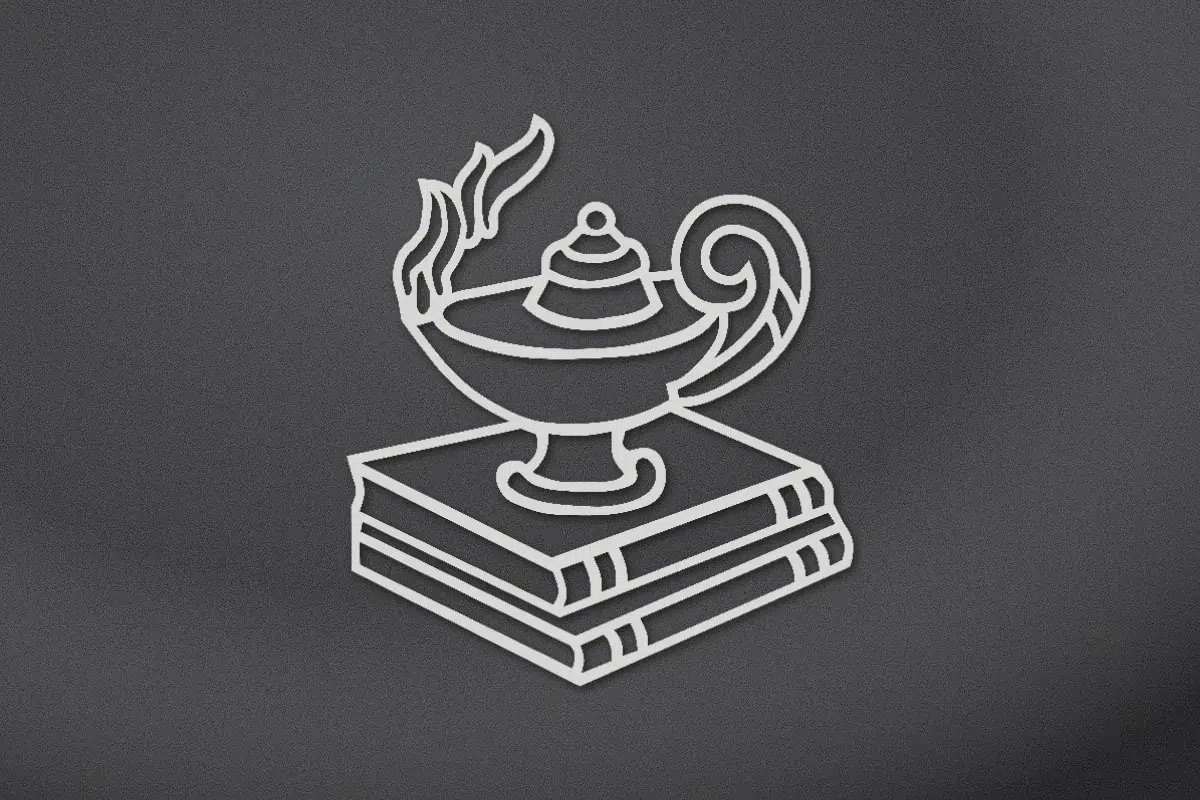
| Lamp of knowledge | Knowledge and a love of learning; a teacher | Trades and professions |
| Carpenter’s tools | A carpenter; a hard hat for a construction worker | Trades and professions |
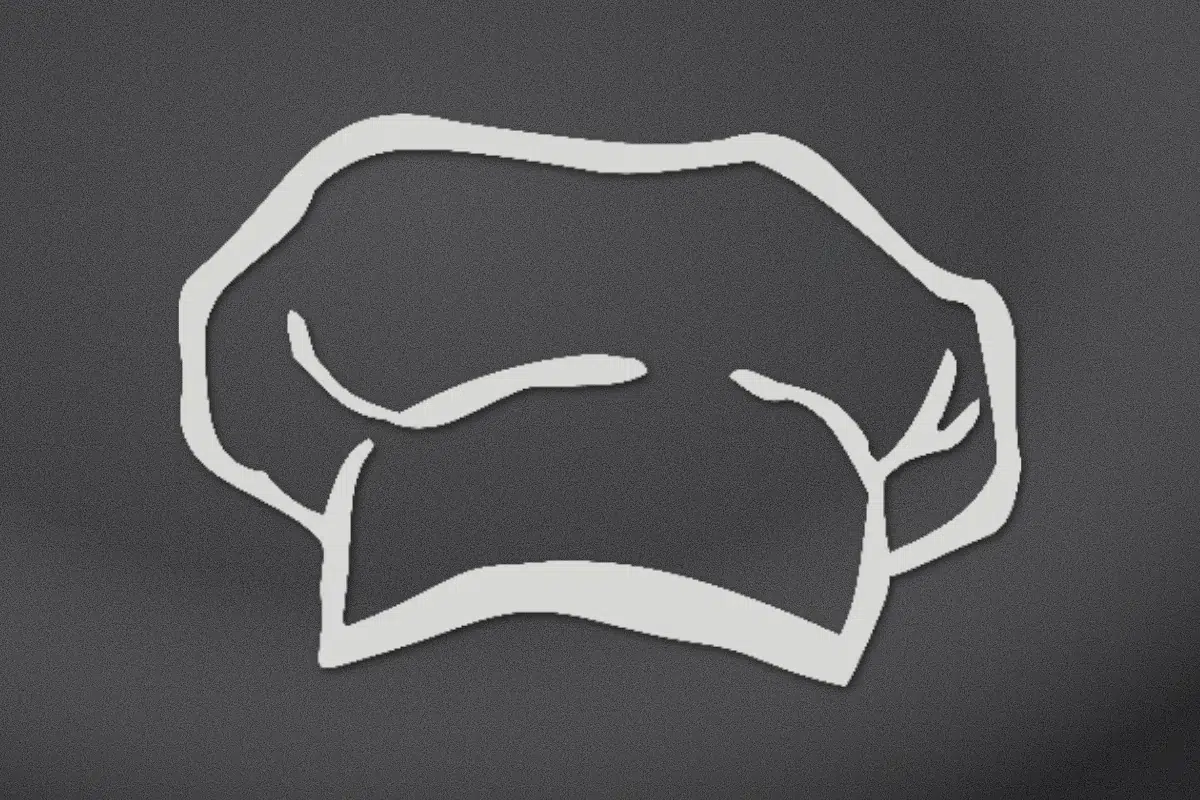
| Chef’s hat | A cook or a chef | Trades and professions |
| Music notes | A life of music | Modern and personal emblems |
| Guitar or piano | The player remembered | Modern and personal emblems |
| Hockey stick and skates | A hockey life | Modern and personal emblems |
| Fishing rod and reel | An angler; patience and time outdoors | Modern and personal emblems |
| Golf clubs | A golfer | Modern and personal emblems |
| Motorcycle | A rider and the open road | Modern and personal emblems |
| Tractor or truck | The farm and a working life | Modern and personal emblems |
| Cottage and lake scene | Summers at the cottage | Modern and personal emblems |
| Garden tools | A gardener | Modern and personal emblems |
| Claddagh | Love, friendship and loyalty; Irish heritage | Modern and personal emblems |
| Infinity | Love without end | Modern and personal emblems |
| Awareness ribbon | A cause, named by its colour | Modern and personal emblems |
| Baby footprints | An infant’s grave | Modern and personal emblems |
| Portrait and ceramic photo | A lasting likeness | Modern and personal emblems |
| Monogram and initials | A name made into a mark | Modern and personal emblems |
How symbols get onto a headstone
How a symbol is cut depends on the kind of symbol. Our guide to monument engraving methods explains each method in depth. Here is the quick map. Bold outline emblems, such as a cross or a maple leaf, are sandblasted through a stencil. Names and dates are cut the same way. Flowers with soft depth, such as a rose or a calla lily, are shape carved. That is sandblasting in stages, so the petals look rounded. A centrepiece rose or a figure can be relief carved in true 3D. Fine line scenes and portraits are laser etched, which shows best on black granite. A monument often pairs one base method with one accent.
The same methods apply to the upright granite headstones and flat markers we supply. Common emblems are available as ready made artwork. The engraving artwork on this page comes from the same library our monument designer uses. A custom drawing can also be turned into a stencil.
Birds
Dove
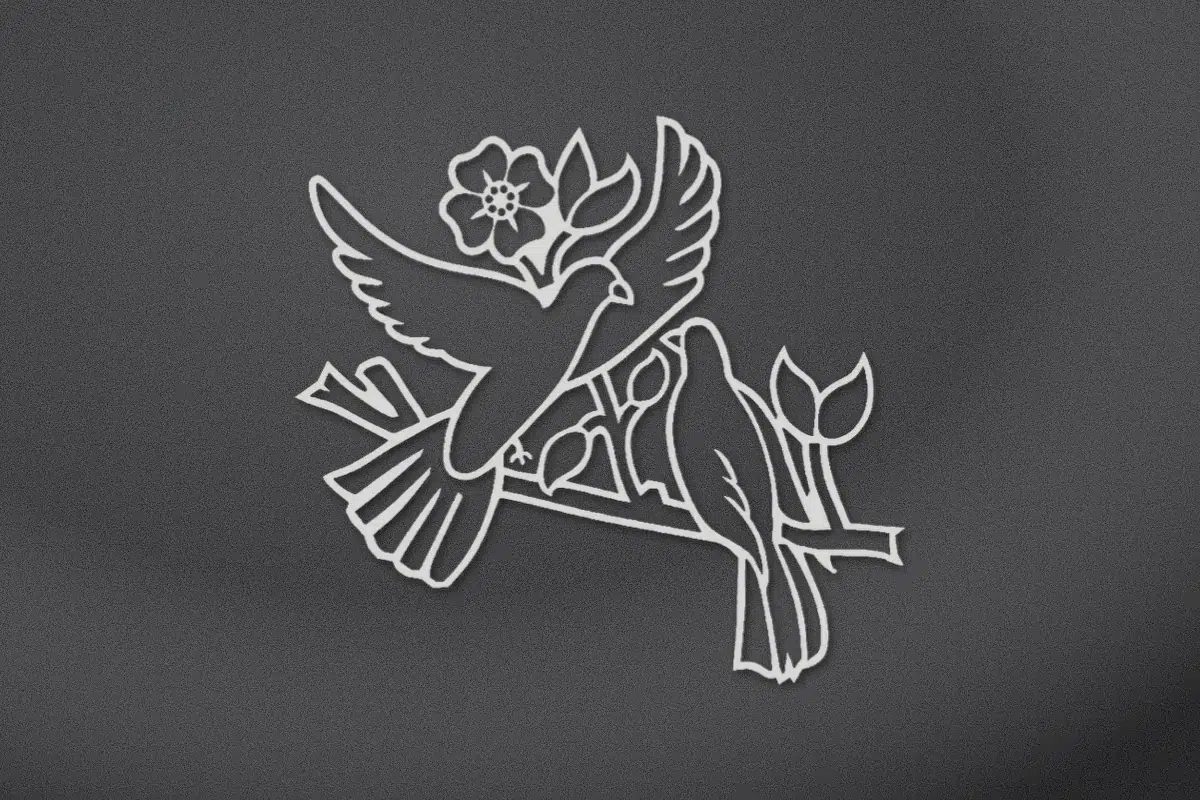
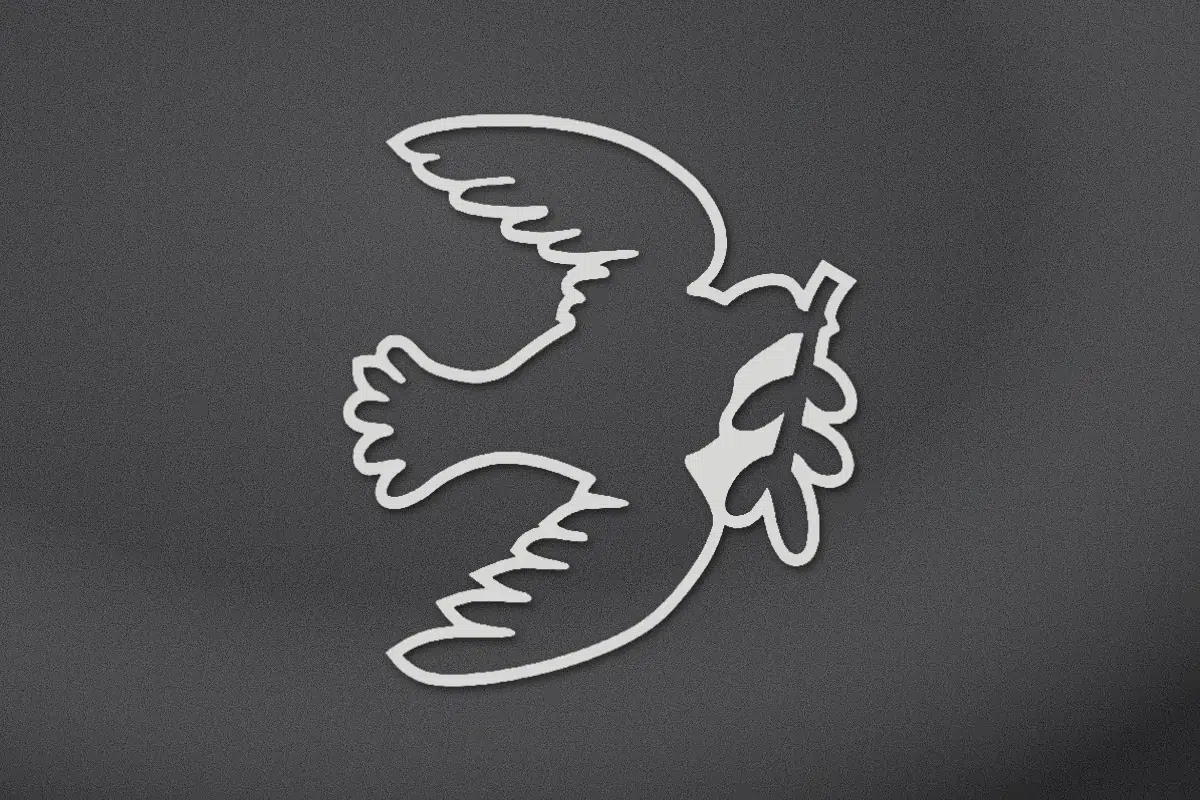
A dove on a headstone usually stands for peace and the soul at rest. It is one of the most common birds on memorials. With an olive branch it adds hope, from the story of Noah’s flood. A descending dove is the Holy Spirit in Christian art, from the baptism of Christ.
Cardinal
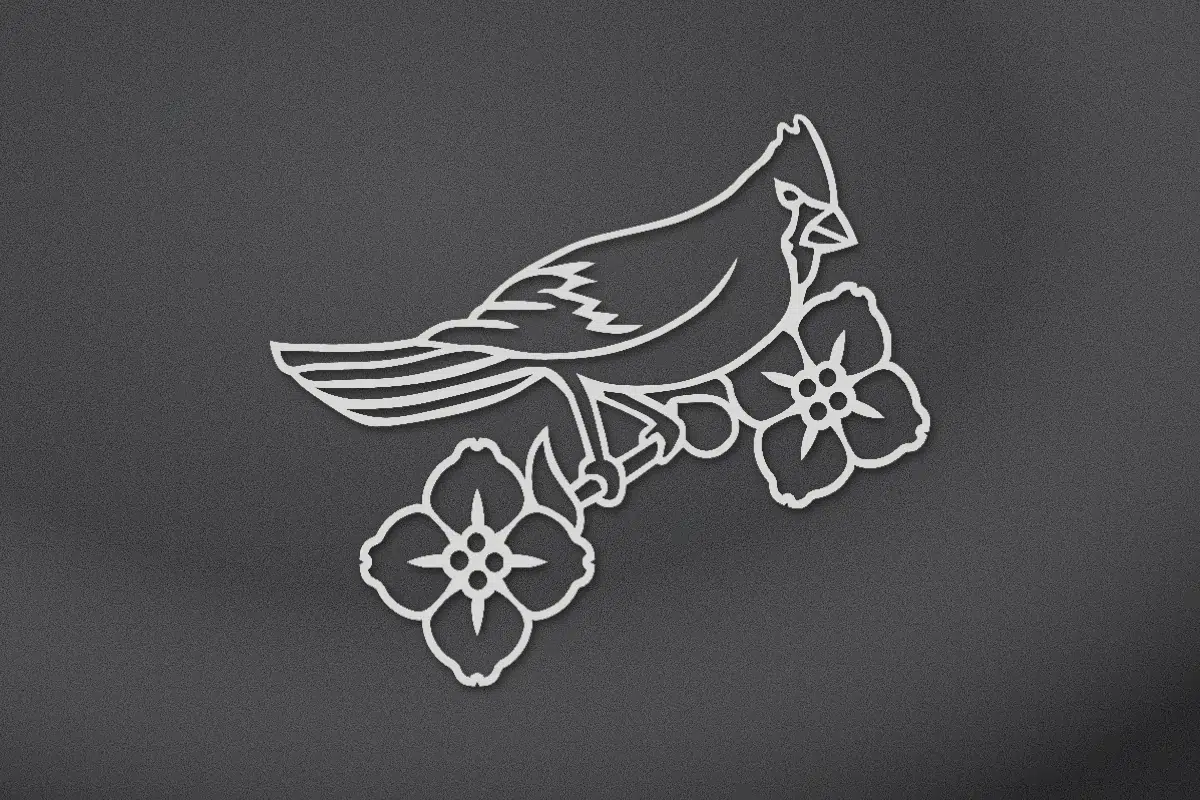
A cardinal on a headstone usually means a visit from a loved one who has died. It is common folklore that a cardinal’s visit is a sign from that person. The belief cannot be traced to one source. Cardinals are also believed to be spiritual messengers.
Eagle
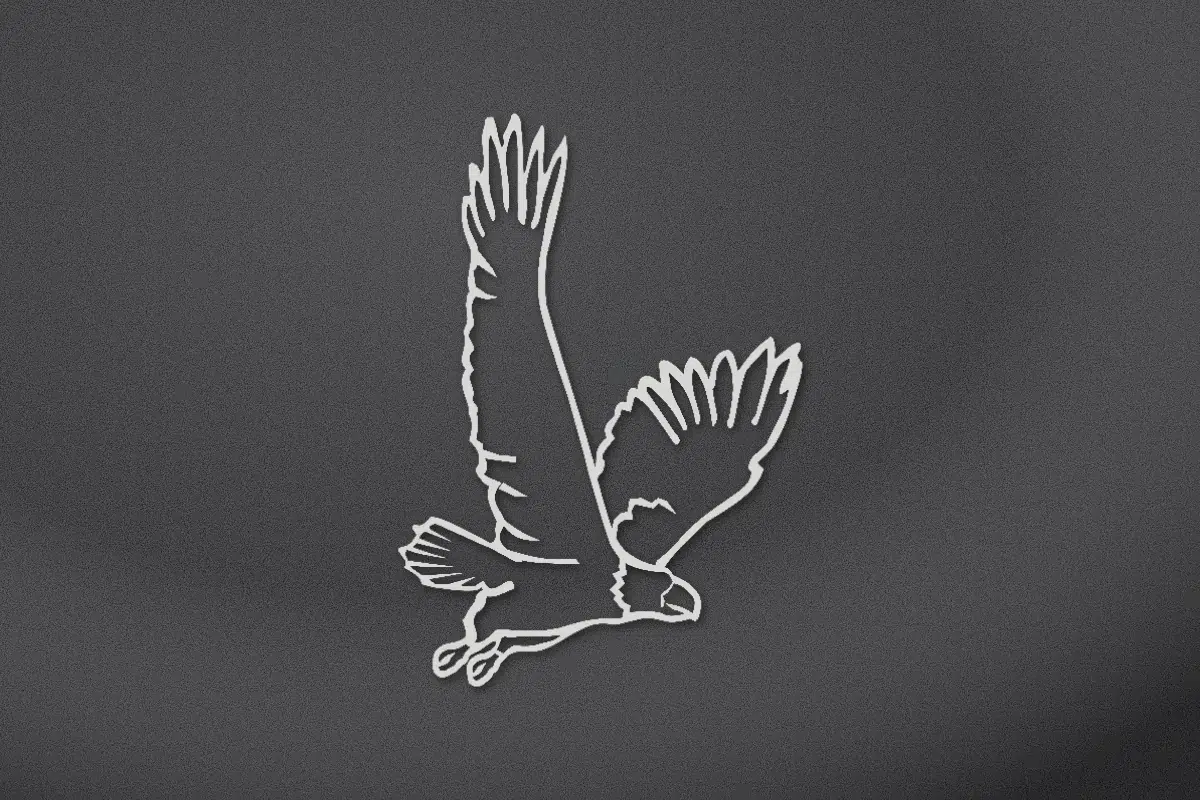
An eagle on a headstone usually stands for courage, strength and a life of service. It can mark a military career. The gravestone symbol lists also read it as immortality, the king of the skies. For some families an eagle or an eagle feather is an Indigenous symbol, not a military one. The family’s tradition decides.
Sparrow
A sparrow on a headstone usually recalls a Bible verse about God’s care for the smallest life. The verse says not one sparrow falls to the ground outside the Father’s care. On a stone it says a quiet, ordinary life was watched over.
Owl
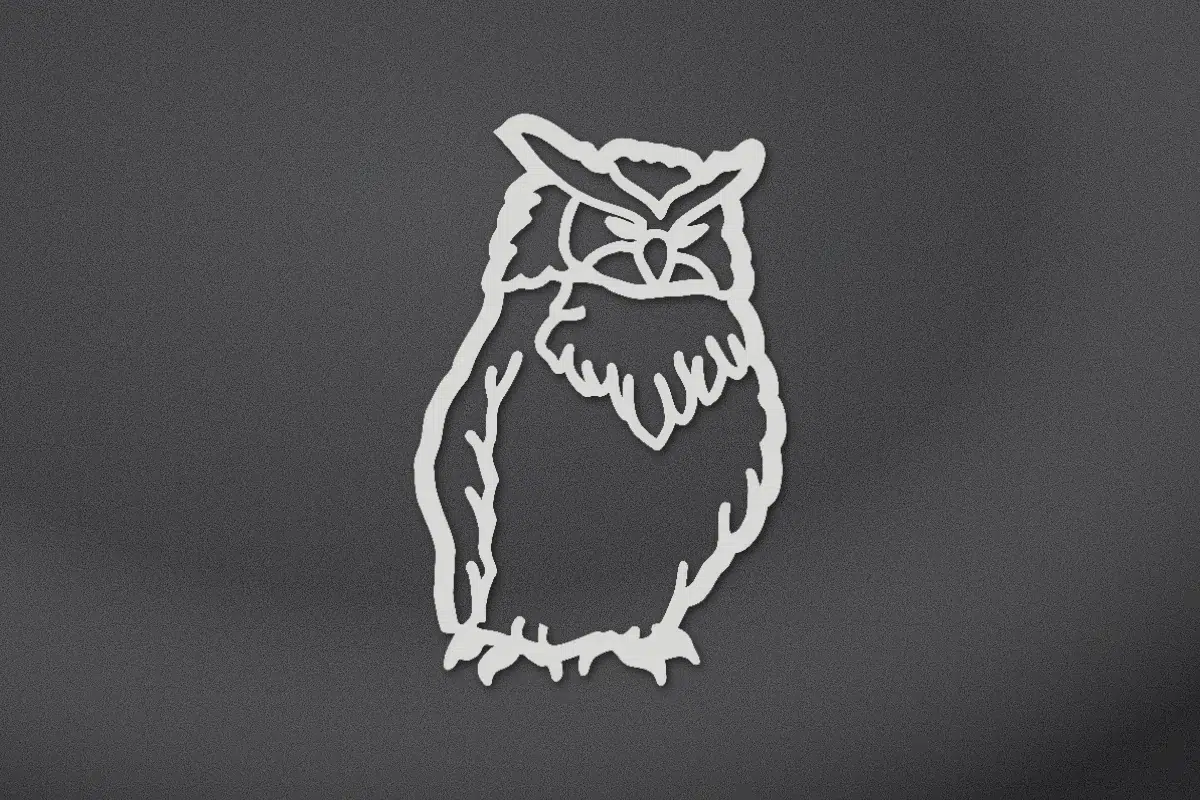
An owl on a headstone usually stands for wisdom. The link goes back to ancient Greece, where the owl was the bird of Athena, goddess of wisdom. In some older traditions the owl also watched over the dead. It suits a teacher, a scholar or a person known for good judgment.
Swallow
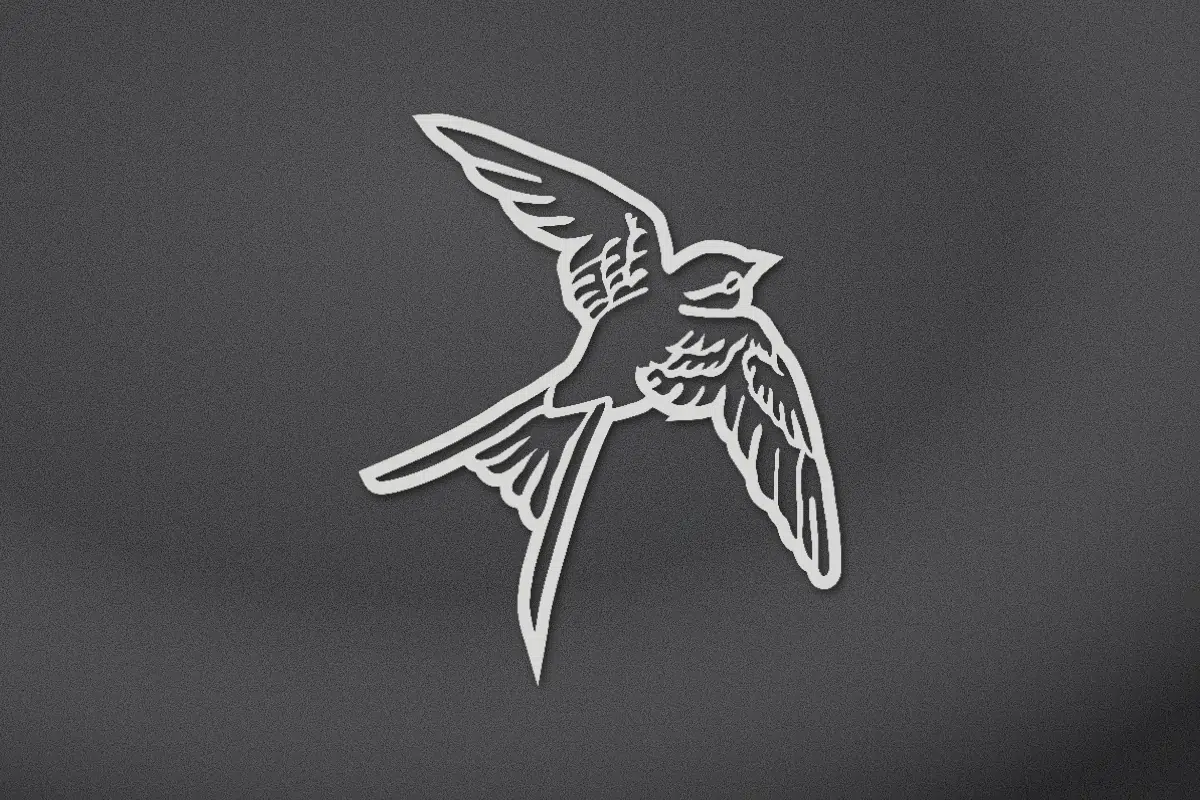
A swallow on a headstone usually stands for motherhood, the spirit of a child, or consolation. The gravestone symbol lists also give it hope and renewal. Barn swallows often breed at the same site year after year. In ancient Greece and Rome the bird was said to hold the spirits of dead children. Shown in flight, any bird can also read as rebirth.
Swan
A swan on a headstone usually stands for grace and a peaceful passing. The phrase swan song comes from an ancient belief that a swan sings once, just before it dies. Swans usually mate for life. The bird is also read as love and fidelity. On a companion stone it can honour a long marriage.
Hummingbird
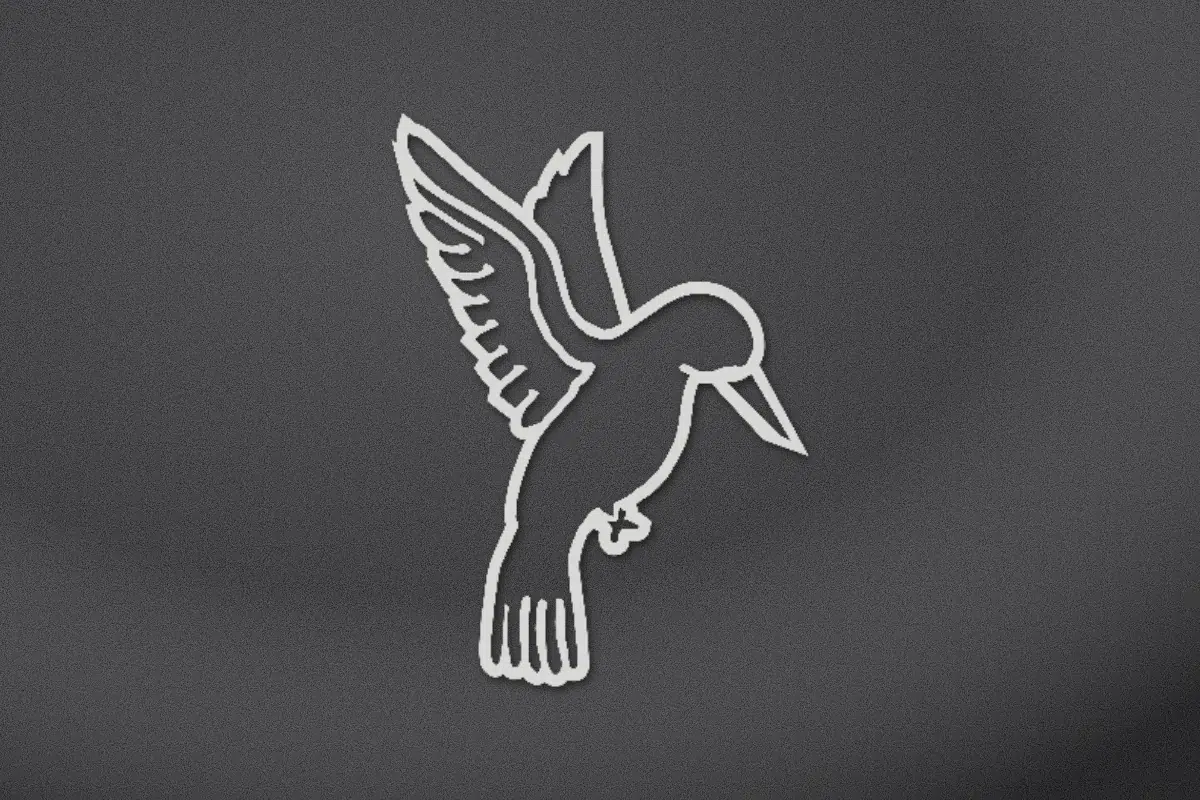
A hummingbird on a headstone usually stands for joy and living in the moment. It hovers in place, which some read as a reminder to enjoy each day. Others take a hummingbird’s visit as a sign that healing can begin.
Robin
A robin on a headstone usually means a loved one is near, or the coming of spring. British folklore has linked the robin with the dead for centuries. The saying itself is much more recent. In Canada the robin is also the sign of spring for most communities. Families choose whichever reading fits.
Peacock
A peacock on a headstone usually stands for immortality and resurrection. Early Christians took up an older idea that the bird’s flesh did not decay. That made it a sign of immortality, and it appears in early Christian paintings and mosaics. The gravestone symbol lists also read it as the beauty of the soul.
Loon
A loon on a headstone usually marks a life spent on the water, or a love of Ontario’s wilderness. The common loon has been Ontario’s provincial bird since 1994. The province ties its call to the beauty and solitude of the wilderness.
Many of these birds are ready made artwork you can place on a stone in our monument designer.
Animals
Lamb
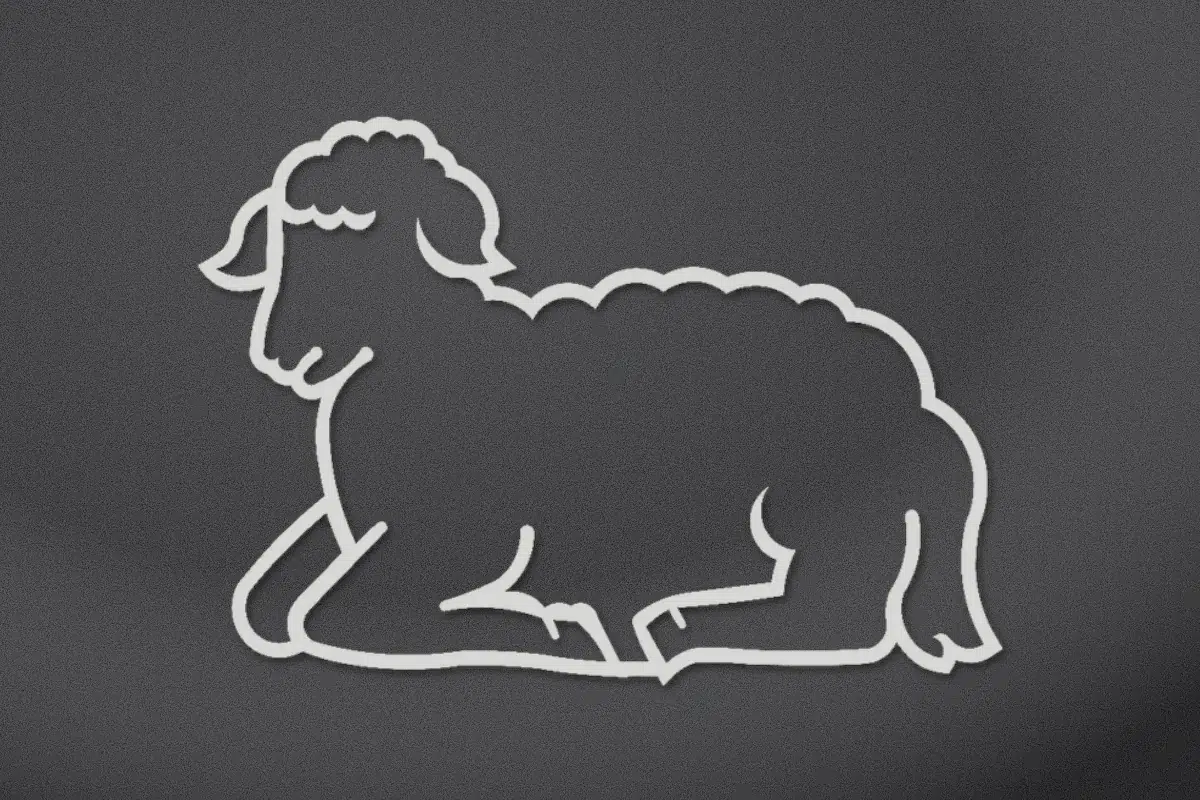
A lamb on a headstone usually marks a child’s grave and stands for innocence and purity. The Stone and Russell study of Ontario stones from 1835 to 1885 looked at children’s graves. Most carried a lamb, a broken bud or a bird. In Christian use the lamb also stands for the sacrifice of Christ. The gravestone symbol lists add gentleness to its meaning.
Lion
A lion on a headstone usually stands for courage and bravery, and it guards the tomb. On older Jewish stones an animal can stand for the person’s name. A lion marks Aryeh, Judah or Leib. A deer marks Tzvi or Hirsch. A wolf marks Ze’ev and a bear marks Dov. A bird marks Tzipporah or Feige.
Deer
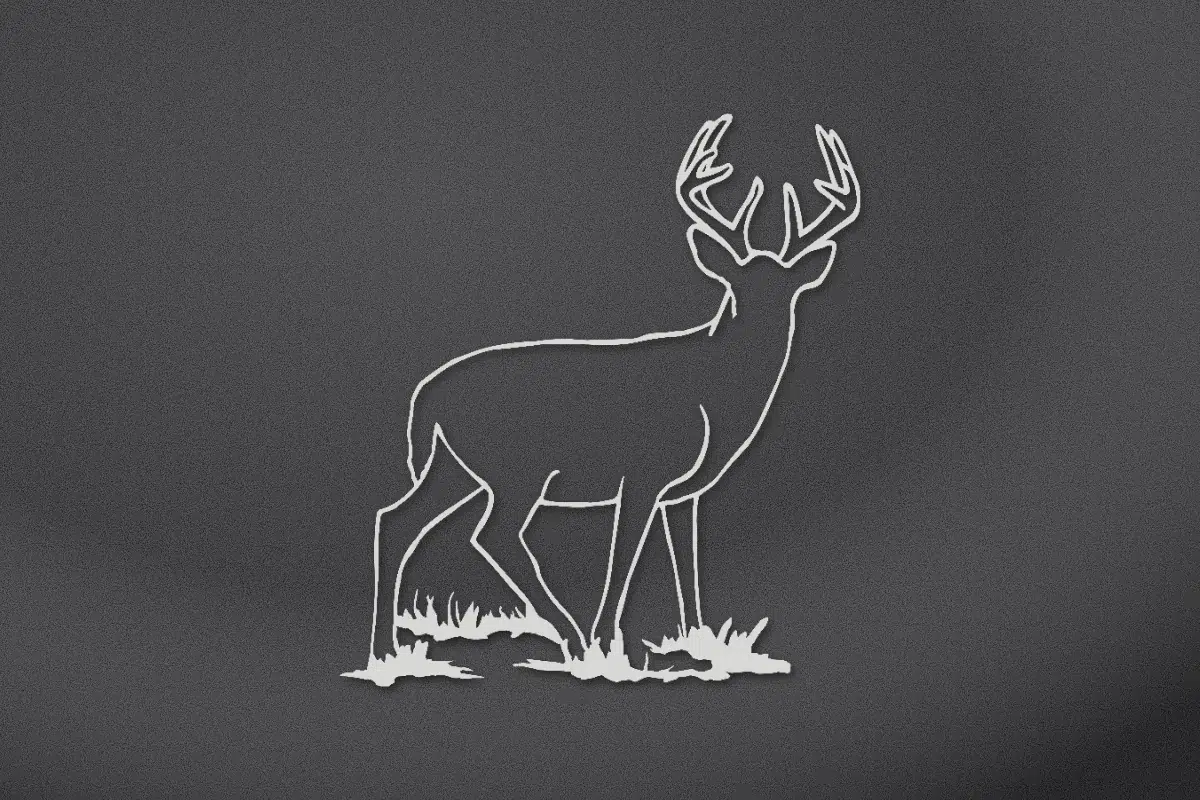
A deer on a headstone usually stands for faithfulness and the soul thirsting for God. The image comes from Psalm 42, where the deer pants for streams of water. On Jewish stones a deer can mark a name, see the Lion entry above. Some families choose it for a lifelong hunter or a nature lover.
Butterfly
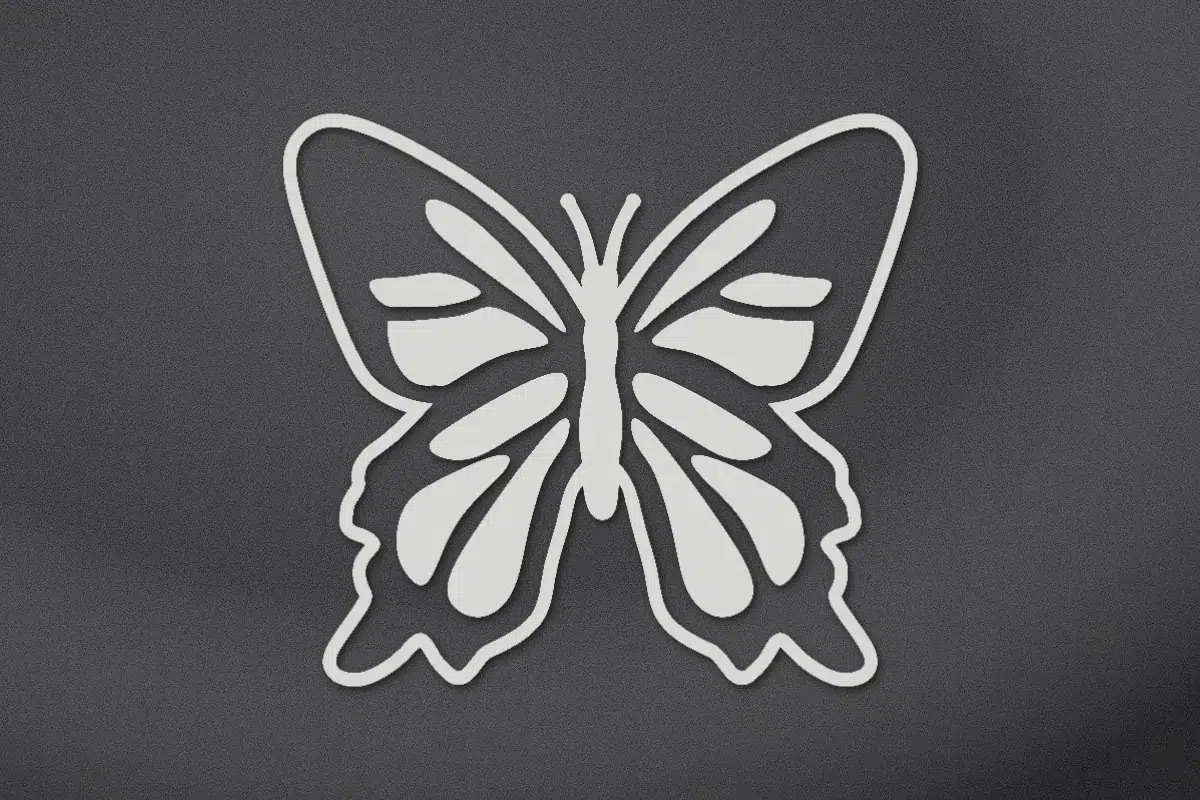
A butterfly on a headstone usually stands for the soul set free, and for resurrection. The meaning comes from its three stages, read as life, death and new life. It may also mark a child’s grave. Because the adult lives a short time, it can stand for a short life too.
Dragonfly
A dragonfly on a headstone usually stands for change and transformation. The gravestone symbol lists also give it joy and lightness. Most of a dragonfly’s life is spent as a nymph under the water, before it rises into the air. The adult lives only a few weeks, a quiet note on how brief life can be.
Horse
A horse on a headstone usually honours a rider, a breeder or a farm family. The gravestone symbol lists read it as courage or generosity. Today the meaning is mostly personal: someone who rode, or a life built around horses. A horseshoe on its own can mark the same thing.
Paw print
A paw print on a headstone usually stands for a loved companion and loyalty. It appears often on pet memorials. It also goes on a family stone as a nod to an animal lover. The message is plain: a loyal companion was loved and is remembered.
Fish
A fish on a headstone usually stands for Christian faith, or for an angler. The gravestone symbol lists read it as faith and spiritual nourishment. The faith sign and its history are under Ichthys fish. A leaping fish, a rod or a boat marks the angler; see Fishing rod and reel.
Flowers
Rose
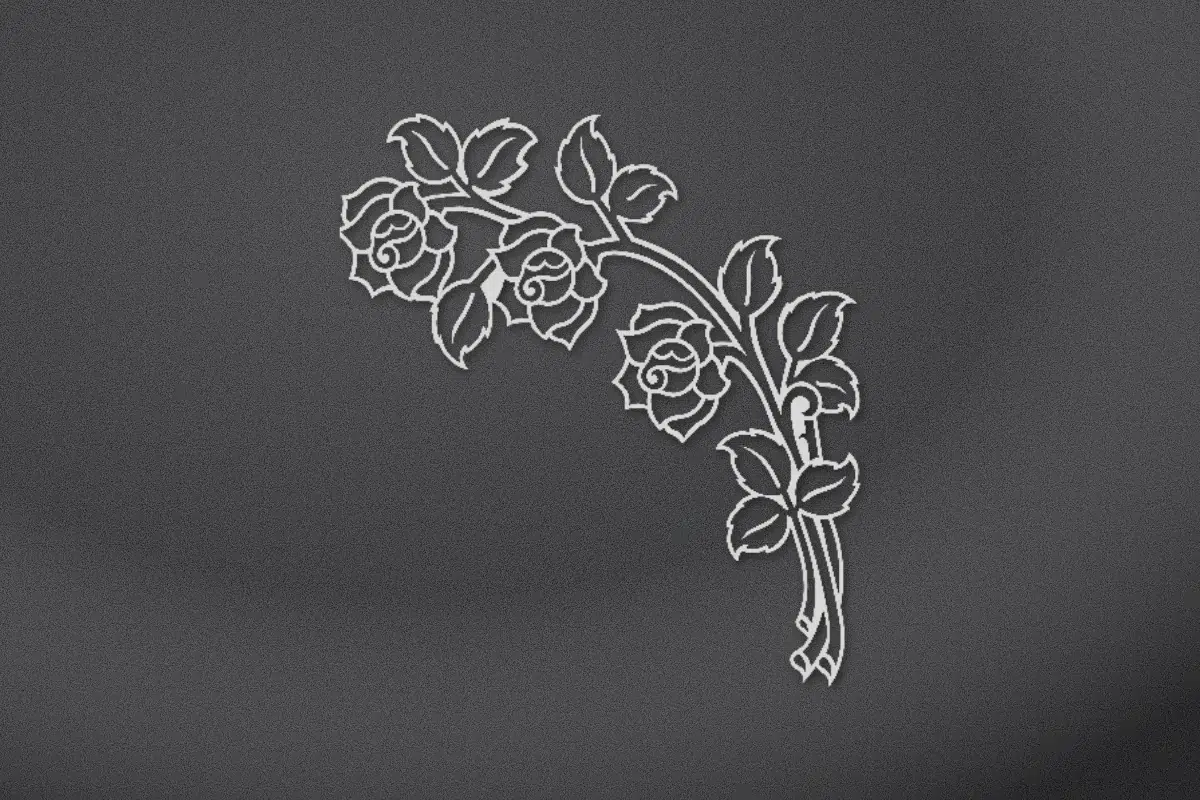
A rose on a headstone today usually stands for love and beauty. On stones of the 1800s the bloom was also an age code. A bud marked a child and a partial bloom a teenager. A full bloom marked an adult who died in the prime of life. Two joined buds marked a strong bond between two people, such as a mother and child who died together.
Rosebud on a broken stem
A rosebud on a broken stem marks a life cut short, usually a child or a young person. The bud never opened. The break in the stem is deliberate. The same Ontario study lists flower buds among the preferred decorations.
Lily
A lily on a headstone usually stands for purity and innocence. In Christian tradition it is also tied to resurrection and to the Virgin Mary. Older symbol lists note that it was often used on women’s graves. In the Victorian language of flowers the white lily meant purity and sweetness.
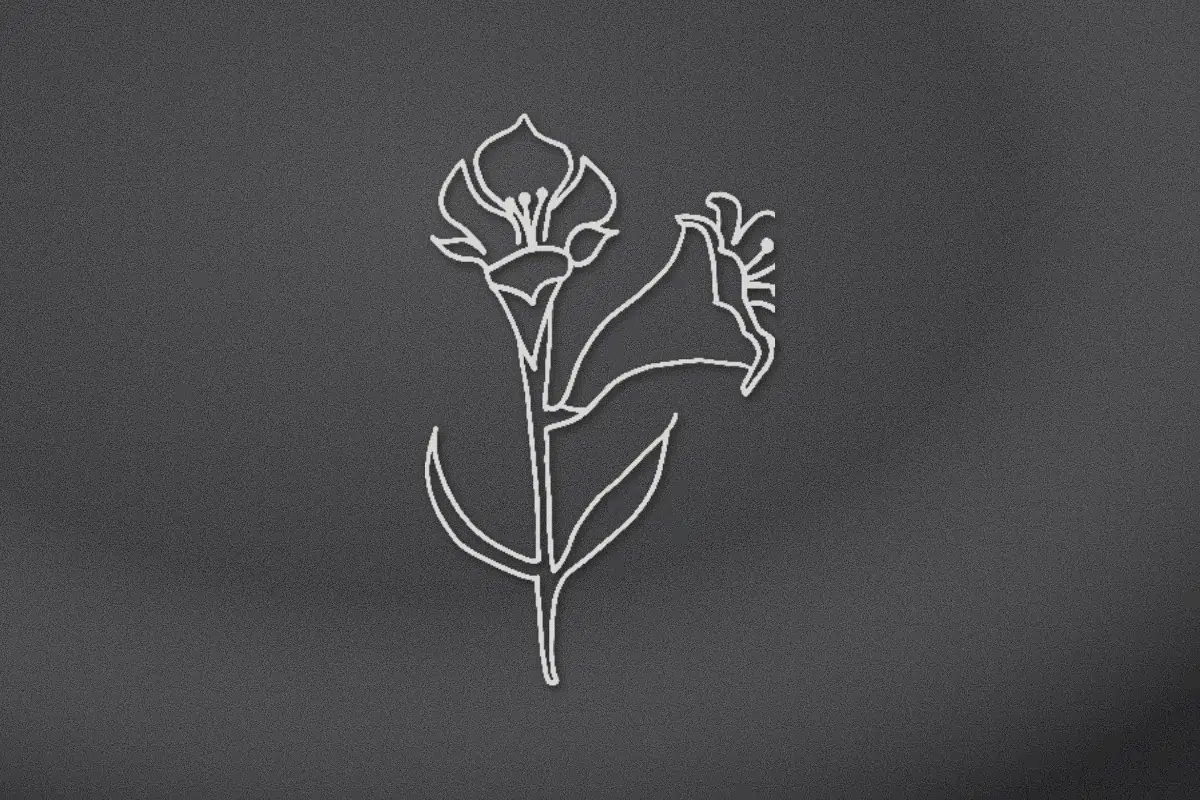
Calla lily
A calla lily on a headstone usually stands for marriage. It also carries the wider lily readings of purity and resurrection. As with any flower here, some families choose it because the person loved it. The blooms shown here are line engraved. Relief carving, explained in our monument engraving methods guide, gives them true depth.
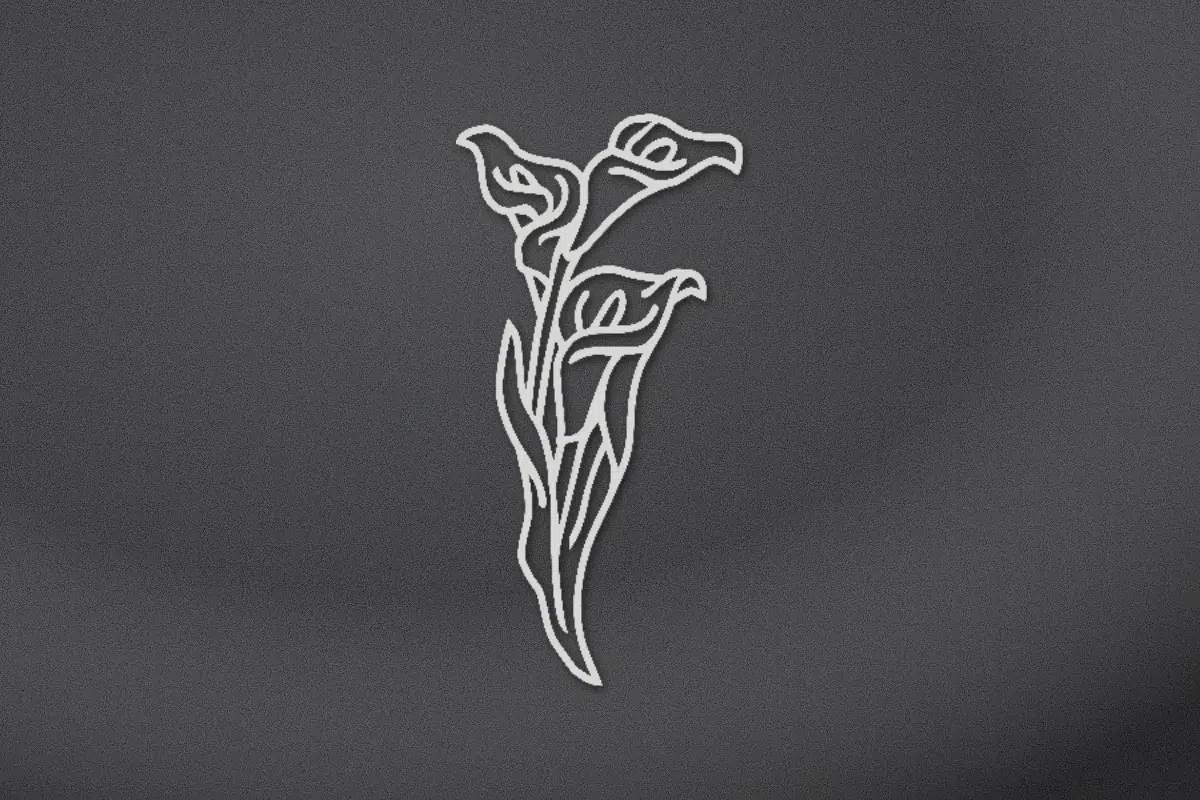
Dogwood
A dogwood on a headstone usually carries a Christian reading of sacrifice and resurrection. The flower is easy to spot: four white bracts, often notched at the tip, around a small centre cluster. It is also simply a spring flower. The cardinal in the Birds section sits on a dogwood branch.
Daisy
A daisy on a headstone usually stands for innocence, and it is often a child’s flower. Older symbol lists read it as the innocence of a child, youth, gentleness and purity of thought. The flower is small and plain, and that is the point. It stands for a simple, unspoiled life.
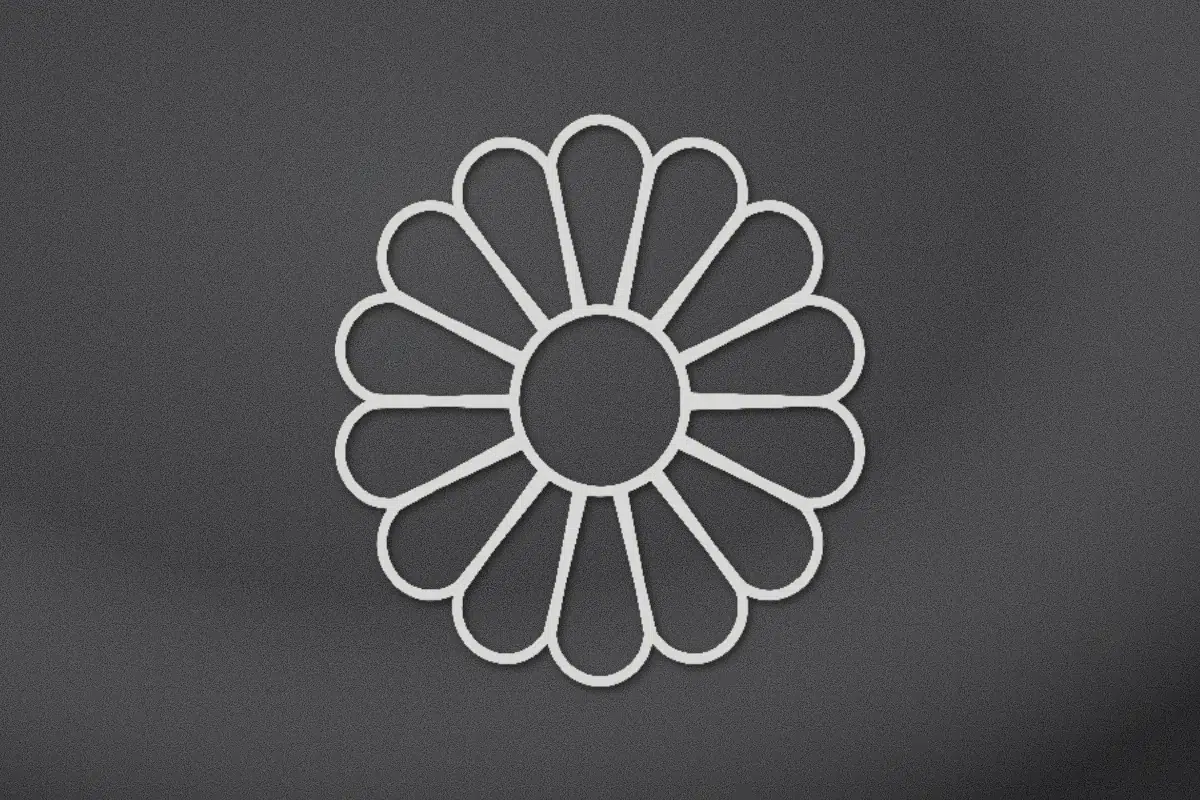
Poppy
A poppy on a Canadian headstone usually means remembrance of military service. The tradition comes from In Flanders Fields, the 1915 poem by Canadian doctor John McCrae. On older stones a poppy can also mean eternal sleep. The Remembrance poppy image is a registered trademark of the Royal Canadian Legion. The Legion sells a cast poppy marker made to fix onto a veteran’s headstone. Before a poppy is carved into a monument, ask the Legion; see the Royal Canadian Legion entry.
Forget me not
A forget me not on a headstone usually stands for remembrance and true love. The name says it plainly. This small blue flower asks the living to keep the memory alive. In the Victorian language of flowers its meaning was true love, forget me not. On a headstone it is a quiet promise. You are not forgotten.
Tulip
A tulip on a headstone is usually read as love. That reading comes from the Victorian language of flowers, where a red tulip meant a declaration of love. A yellow tulip meant hopeless love, and the plain tulip meant fame. Cut in stone the flower has no colour, and the simple reading is love.
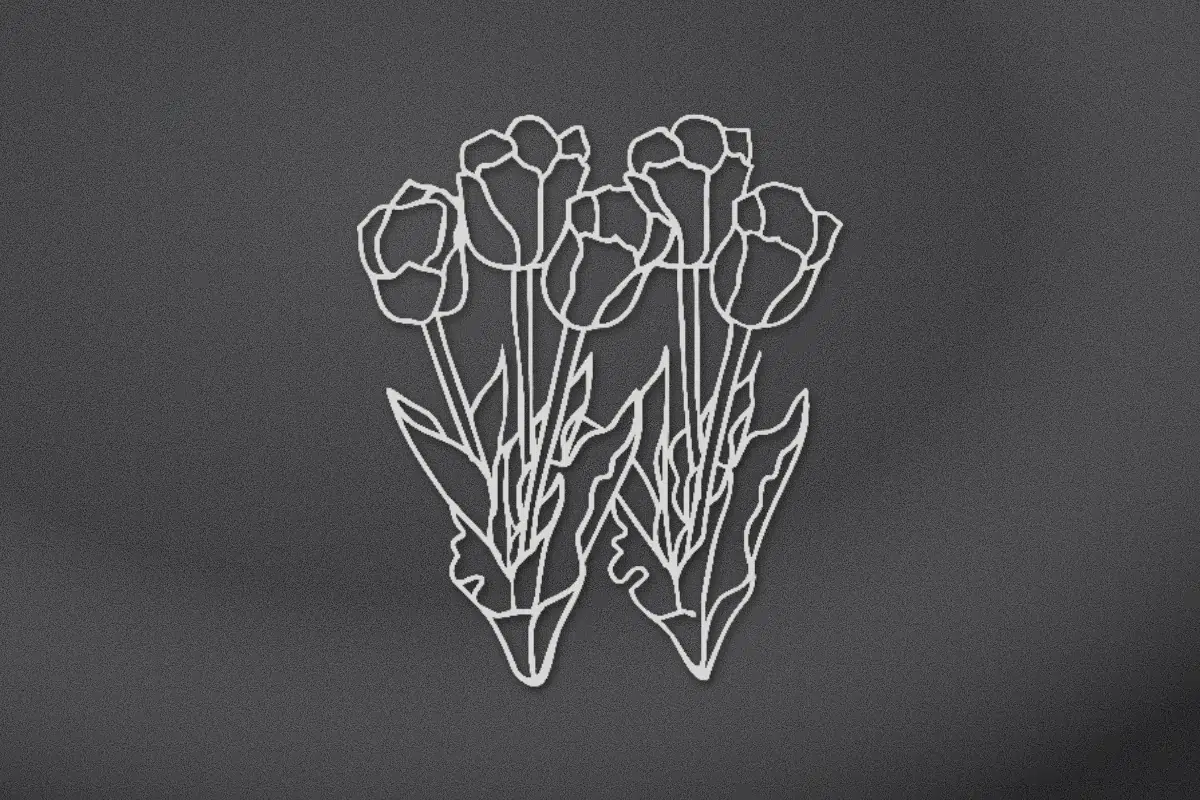
Sunflower
A sunflower on a headstone usually stands for a life fulfilled, or for steadfast faith. Young sunflowers turn to follow the sun, and that habit gave the symbol its meaning. Mature heads stop moving and face east. In the Catholic tradition the sunflower stands for devotion to the Church. In the language of flowers the dwarf sunflower means adoration.
Violet
A violet on a headstone usually stands for modesty and humility. The flower grows low and half hidden, and older references read that as quiet virtue. In the Victorian language of flowers the sweet violet meant modesty and the blue violet meant faithfulness.
Morning glory
A morning glory on a headstone usually stands for the brevity of life, and also for resurrection. The flower opens at dawn and closes by afternoon, and mourners read a short life into that cycle. Because it returns fresh each morning, the same vine can mean resurrection and the beginning of life. The rest of the stone tells you which applies.
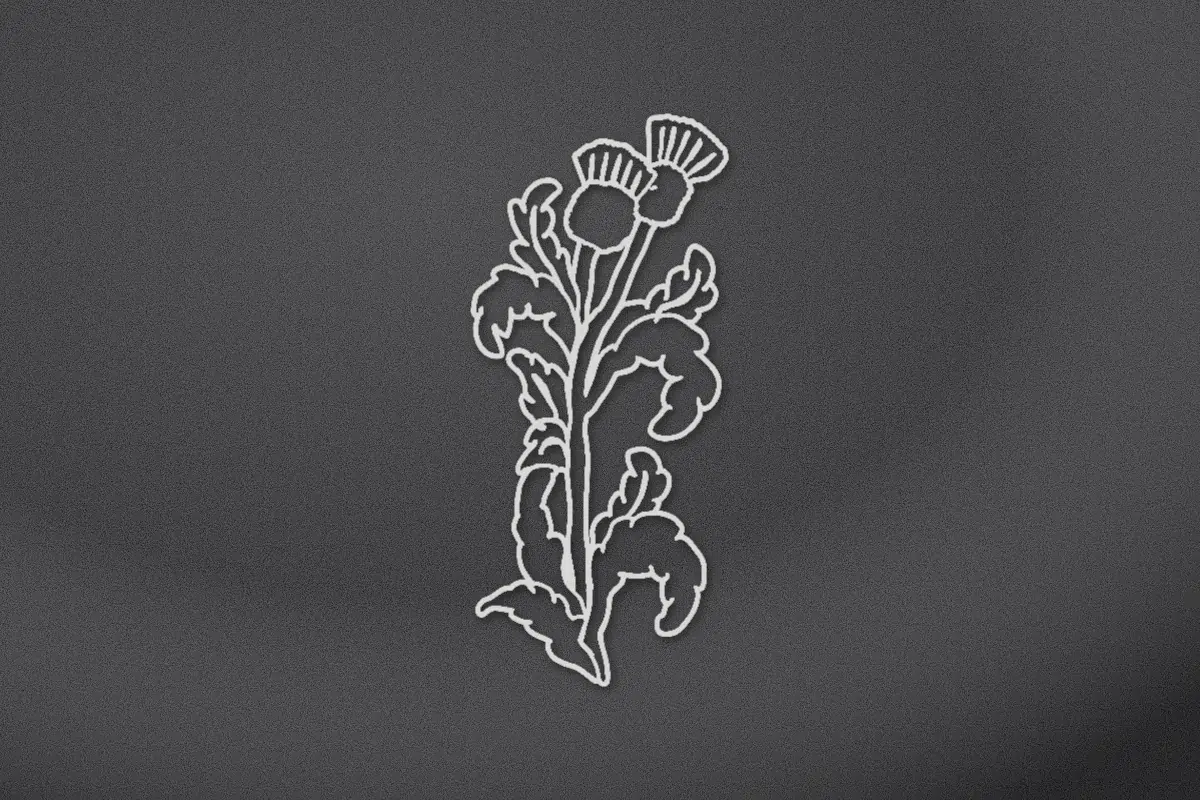
Thistle
A thistle on a headstone usually marks Scottish roots. It is the floral emblem of Scotland. Older symbol lists also read it as earthly sorrow and the crown of thorns, or as remembrance. Some carvers add endurance and victory. Heritage is usually the intended meaning.
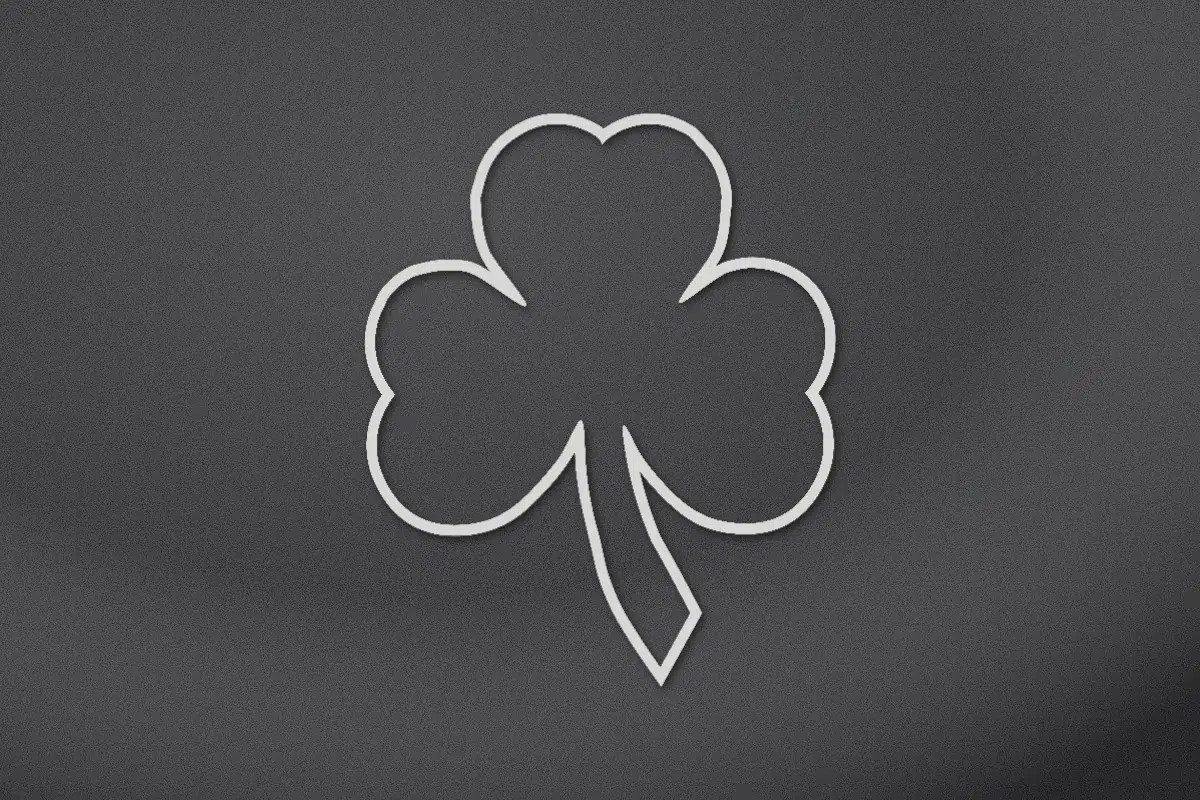
Shamrock
A shamrock on a headstone usually marks Irish heritage. In Irish Christian tradition the three leaves recall the story of Saint Patrick teaching the Trinity. That story was first written down centuries after his time. Both meanings still travel together on a headstone. Older symbol lists simply read it as Ireland as the country of origin.
Fleur de lis
On a Canadian headstone a fleur de lis usually marks French heritage. The shape is a stylized lily, though some read it as an iris. It is on the flag of Quebec and remains a sign of French Canadian identity. In Christian tradition it is also linked with the Virgin Mary. Older cemetery symbol lists read it as flame, passion and motherhood.
Trillium
A trillium on a headstone usually says this person belonged to Ontario. The white trillium has been the province’s official flower since 1937. The Legislative Assembly of Ontario says its white blossom is associated with peace and hope. Three white petals sit over three leaves, and it blooms in early spring. The reading suits any faith or none.
Trees and plants
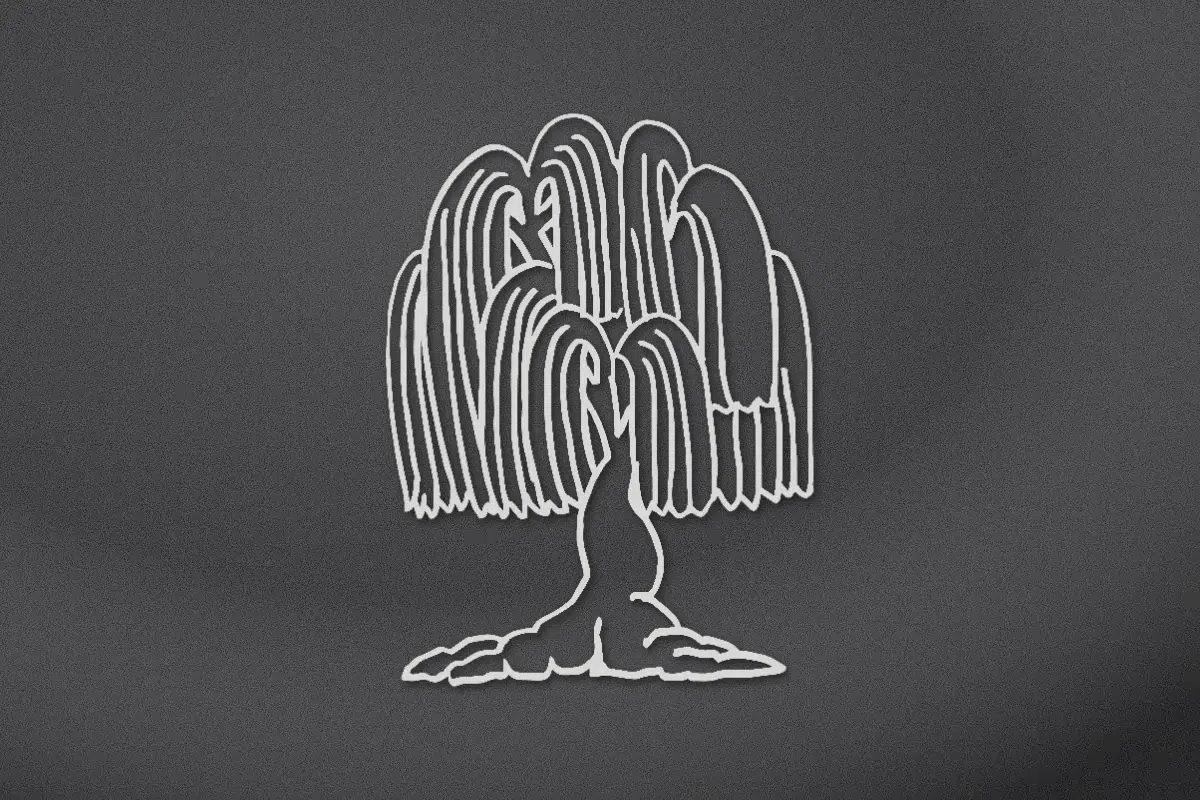
Weeping willow
A weeping willow on a headstone usually stands for grief and mourning. Its drooping branches were read as the drooping spirits of the family left behind. It was one of the signature mourning symbols of the 1800s, often paired with an urn. Patricia Stone and Lynn Russell studied Ontario stones from 1835 to 1885 for Material Culture Review in 1986. They found the willow the most common design.
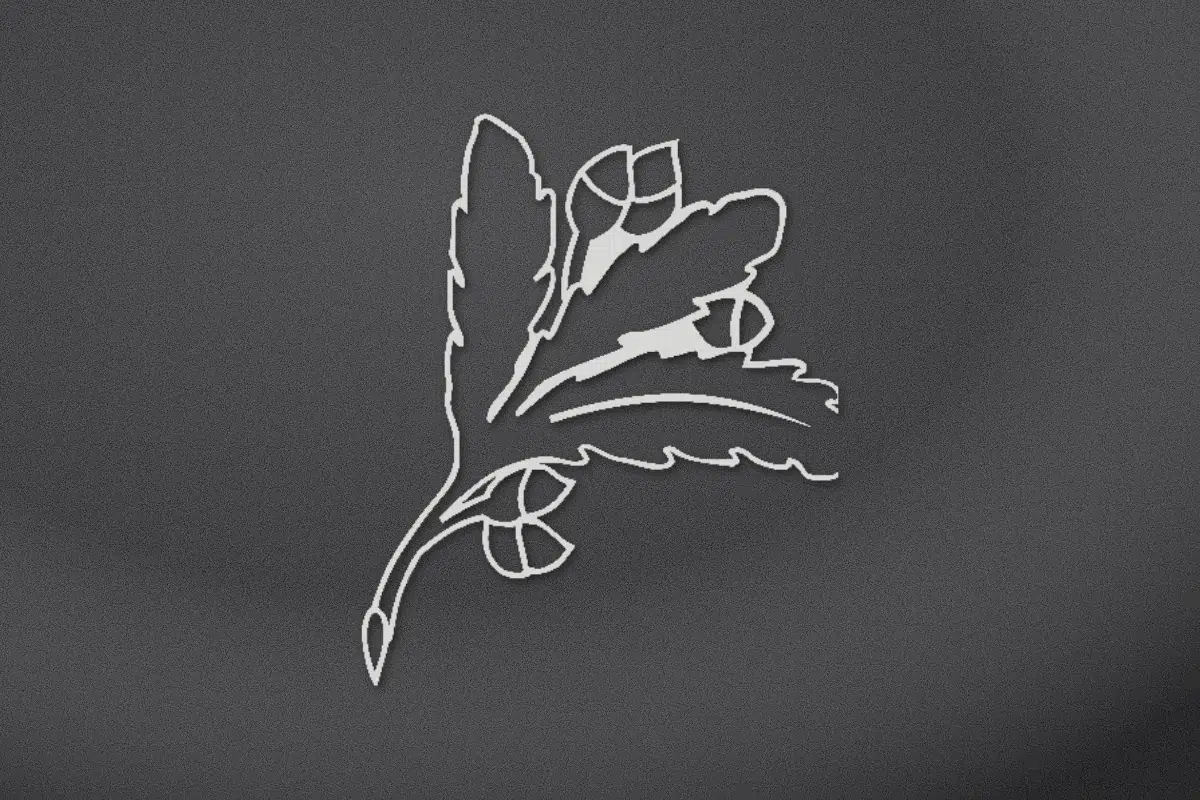
Oak leaves and acorns
Oak leaves on a headstone usually stand for strength, honour and endurance. A long lived tree, it suited a person of steady character. Acorns add life and potential, the seed of the oak. Older symbol lists read oak leaves with acorns as maturity and a ripe old age.
Tree of life
A tree of life on a headstone usually stands for eternal life, and for family. Its roots reach down for the ancestors and its branches reach up for the generations that follow. Cemetery references read it as immortality and as both earthly and heavenly life. On a family stone it honours deep roots.
Ivy
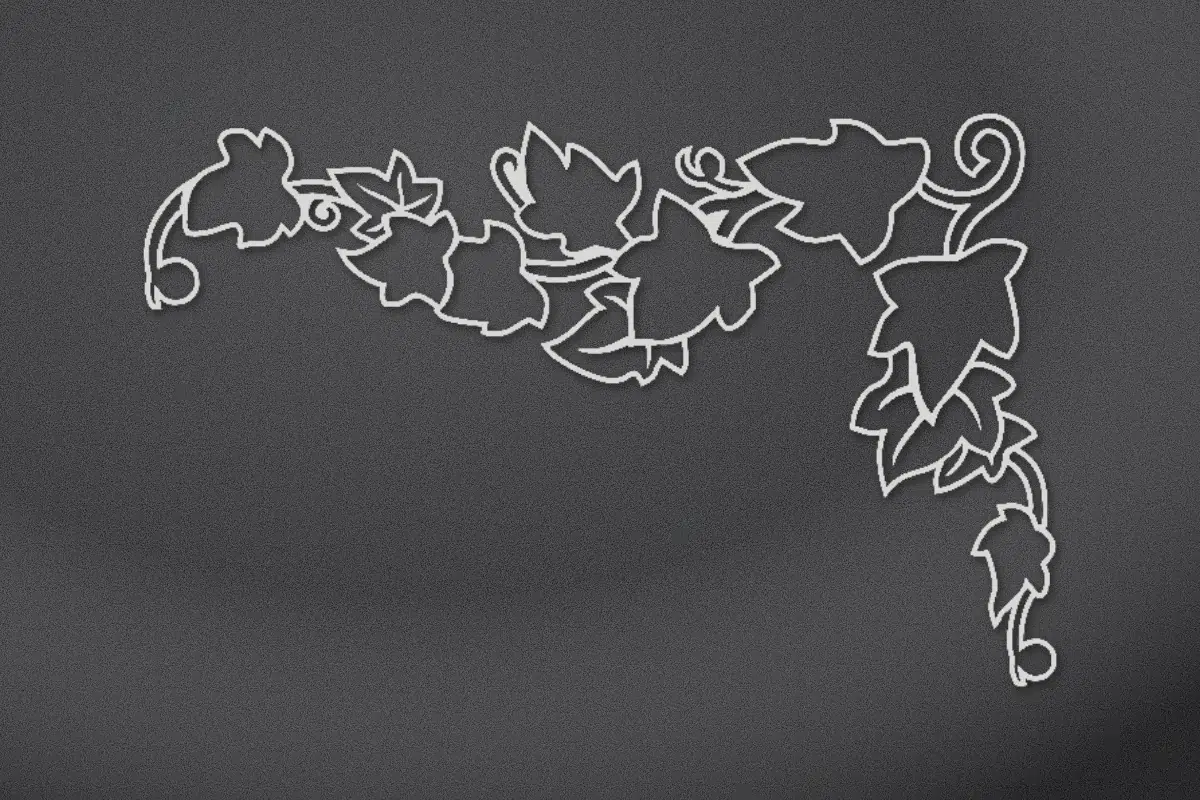
Ivy on a headstone usually stands for friendship, fidelity and immortality. It clings to whatever it grows on, which older lists read as the need for protection. Its leaves stay green through winter, so it also carries the older meaning of eternal life. The corner border shown here is cut along the edge of a stone.
Wheat
A sheaf of wheat on a headstone usually marks a long life, gathered in its season. Older symbol lists read it as old age and a fruitful life. It can also honour a working life finished well. In Christian symbolism wheat recalls the bread of the Eucharist and the promise of resurrection.
Grape vine
A grape vine on a headstone usually carries a Christian reading. In John 15 Jesus says, “I am the vine; you are the branches”. Symbol lists read grapes as sacrifice, and as life and immortality. In Jewish tradition the vine means peace and abundance. A family monument on our headstone types page has grape vine corners beside a cross.
Maple leaf
A maple leaf on a headstone usually marks a Canadian life. At Seaford in England, the War Graves Commission describes Canadian graves as maple leaf upon maple leaf carved in stone. On civilian stones it is a quieter statement of identity and home. Older symbol lists also read it as long life.
Evergreen
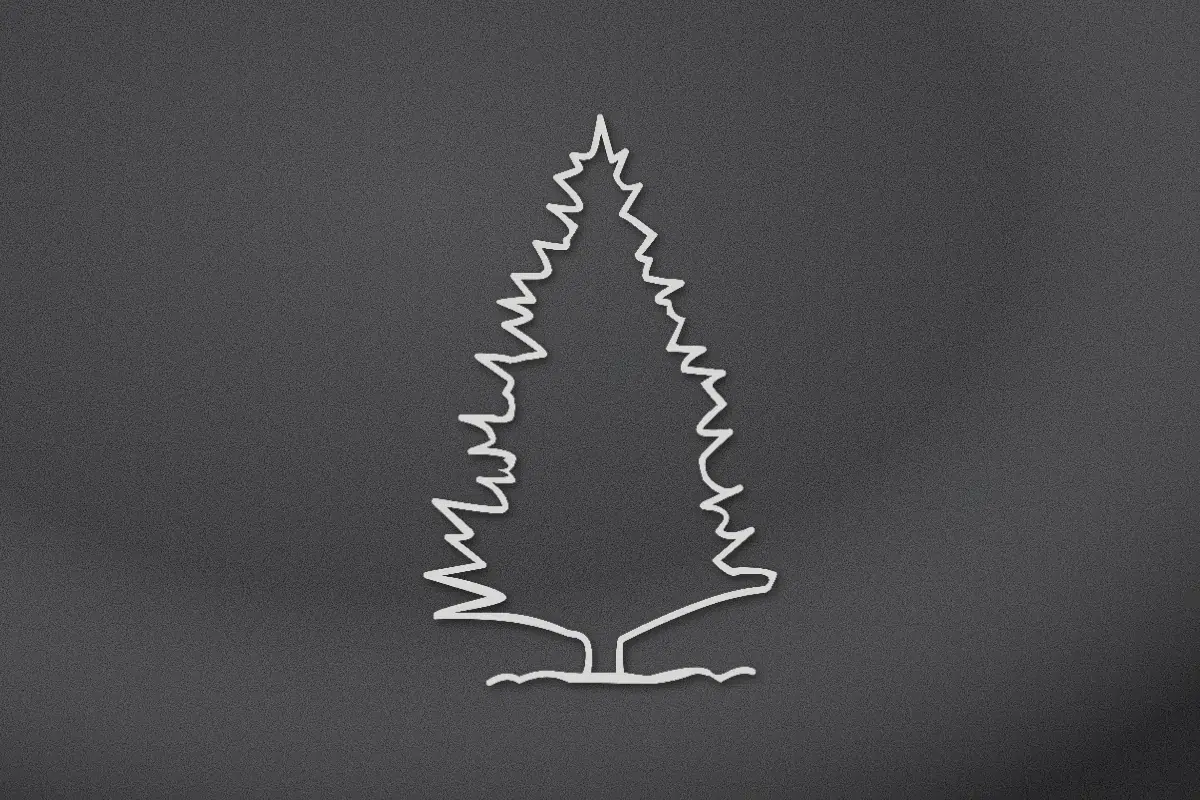
An evergreen on a headstone usually stands for eternal life. Pine and other conifers keep their colour through winter. Older symbol lists read evergreens as immortality, and the pine as regeneration and fidelity. In Ontario the eastern white pine has been the provincial tree since 1984. The Legislative Assembly says it represents the province’s vast forests.
Palm branch
A palm branch on a headstone usually stands for victory over death. In early Christian art it stood for the spirit’s triumph, and it still carries that reading. The same art also uses it to mark a martyr. In the Kabbalah the palm stands for the righteous man.
Olive branch
An olive branch on a headstone usually stands for peace. In the story of the flood, a dove returned to the ark carrying one. It has stood for safety and forgiveness ever since. Older symbol lists also read it as one’s humanity, or as healing faith. On a memorial it speaks of a soul at peace.
Laurel wreath
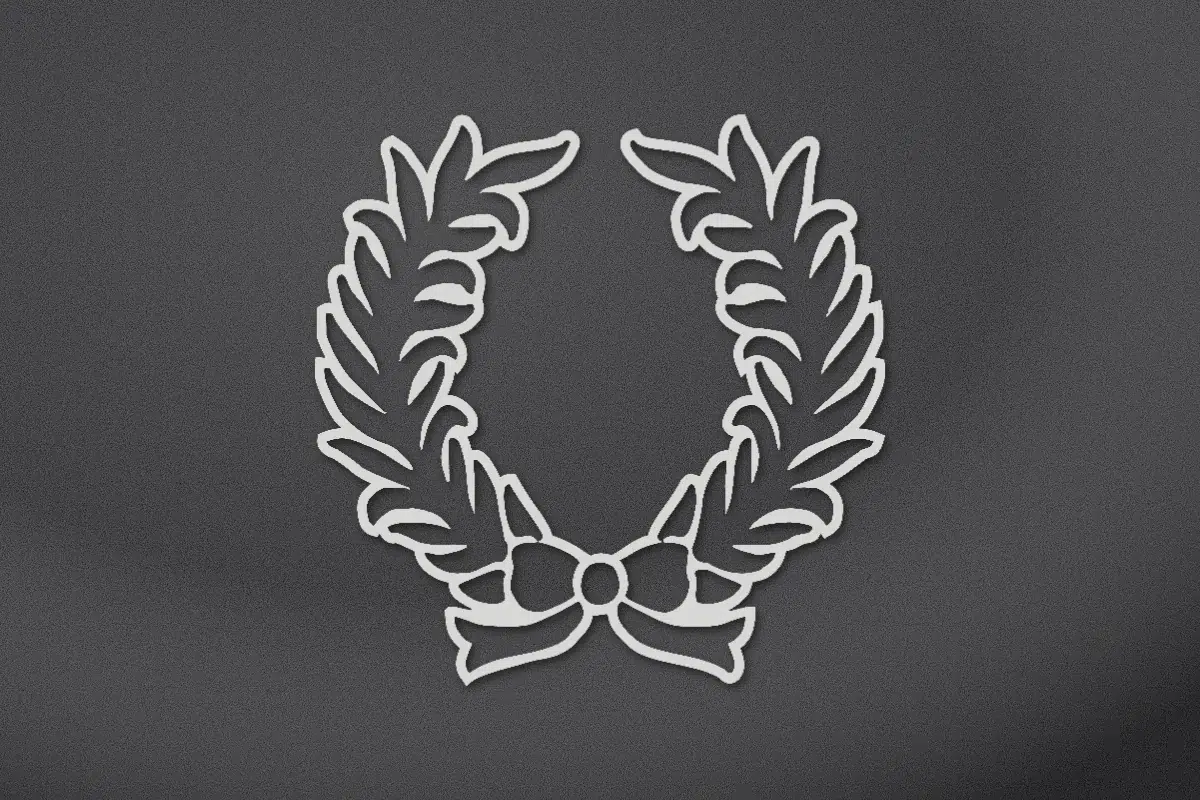
A laurel wreath on a headstone usually stands for victory and distinction. Ancient Rome crowned its victors with laurel, and the wreath still marks those who excelled. Because the laurel is an evergreen, the circle also stands for eternity and memory. It is a fitting choice for someone honoured in work, service or sport.
Faith and religious symbols
Latin cross
A Latin cross on a headstone usually marks a Christian burial and the hope of resurrection. A long upright, a shorter crossbar, nothing more. It is one of the most common faith symbols. Some families carve a small cross near the top of the stone. Others shape the whole monument as a cross, a style shown on our cross headstones page.
Celtic cross
A Celtic cross on a headstone usually stands for eternity and for Celtic heritage. The circle is most often read as eternity, or as a halo. The form goes back more than a thousand years in Ireland and Scotland. The ringed cross as a whole monument, with or without knotwork, is shown on our cross headstones page.
Greek cross
A Greek cross on a headstone is a Christian mark with four equal arms. It is one of the oldest cross forms, in common use by the fourth century. On Orthodox stones it may carry the letters IC XC NI KA around the arms. That is Greek for Jesus Christ conquers. Greek Orthodox families more often choose a budded cross monument, shown on our cross headstones page.
Orthodox three bar cross
A three bar cross usually marks an Eastern Christian burial. The top bar is the sign above Christ’s head. The slanted bar was the footrest. Its tilt rises toward heaven on Christ’s right, toward the repentant thief, and falls on his left. Russian and Ukrainian Orthodox families use it. Serbian and other Slavic Orthodox families do too. So do Ukrainian Catholics. The monument form is on our Orthodox cross monuments page.
Armenian cross
An Armenian cross on a headstone usually marks a family of the Armenian Apostolic Church. It combines a cross with plant or floral elements. The centre often holds a sunburst rather than the figure of Christ. The khachkar, the carved cross stone of that tradition, is described on our cross headstones page.
Crucifix
A crucifix on a headstone usually marks a Roman Catholic grave. Unlike a plain cross, it bears the figure of Christ. It stands for his sacrifice and for redemption. One Catholic symbol guide calls it a witness to the atonement Christ made for humanity.
Praying hands with rosary
Praying hands on a headstone stand for devotion and faith. With a rosary draped through the fingers, they mark a Catholic grave. The rosary is the string of beads Catholics use to count repeated prayers. The praying hands image goes back to a famous Renaissance drawing.
Sacred Heart
The Sacred Heart on a headstone stands for the love of Christ for humanity. It shows a heart wrapped in a crown of thorns, with flames and a small cross above. It is a Roman Catholic devotion that grew popular in the seventeenth century. The Immaculate Heart is Mary’s. It is ringed with roses and pierced by a sword.
Madonna
A Madonna on a headstone marks a family’s devotion to Mary. The title a family chooses is its own devotion, not a message. Our Lady of Fatima comes from Portugal and Our Lady of Guadalupe from Mexico. Our Lady of Czestochowa is the Queen of Poland. Full statues of Mary or Jesus beside a tablet are shown on our angel headstones page.
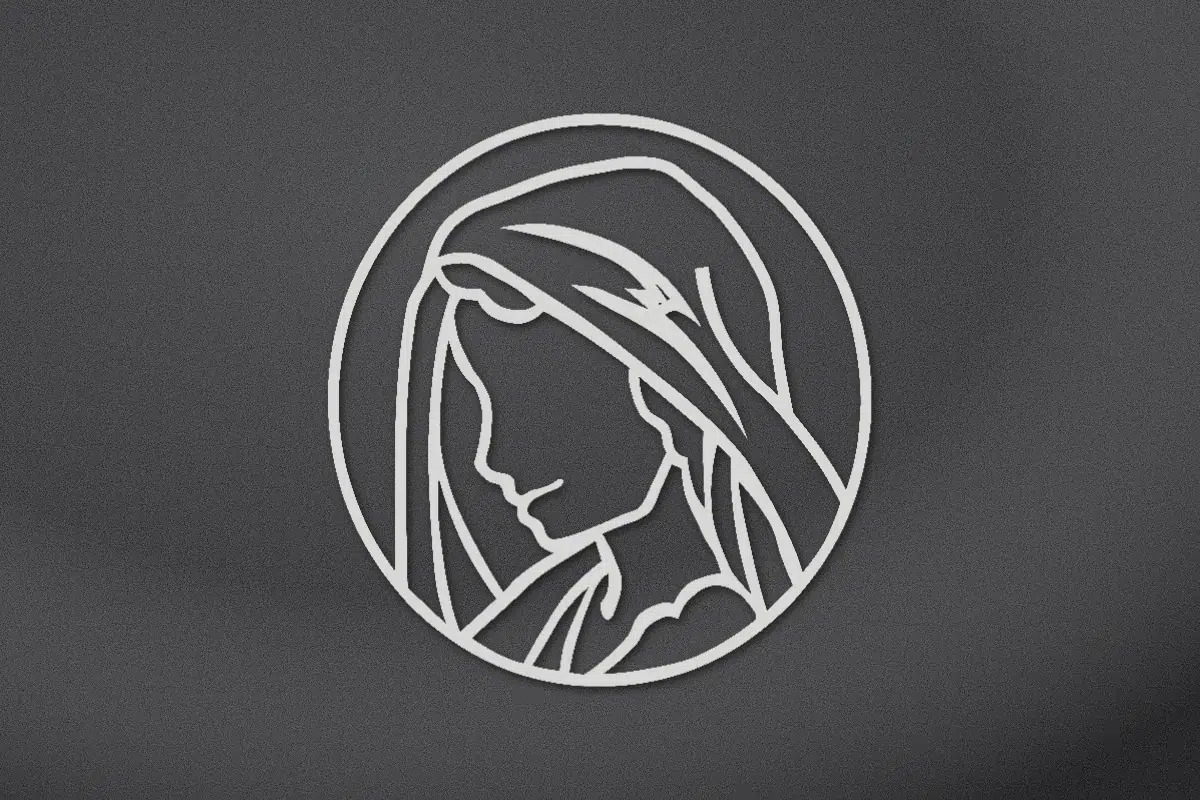
Face of Christ
A face of Christ on a headstone is a Christian devotional image used across denominations. Catholics also honour the Holy Face as a devotion of its own. That devotion grew from the tradition of Veronica’s veil and was approved in the 1800s. The modern Holy Face medal uses the face on the Shroud of Turin. Some believe the shroud to be the burial cloth of Jesus. Families choose the image as they would a Madonna or a saint.
Pieta
A Pieta on a headstone shows Mary cradling the body of Jesus after the descent from the cross. The name is Italian for pity or compassion. It is a subject of Christian art with a long history, and Catholic families choose it as a devotion. The image speaks of a mother’s grief, which is why it suits a memorial.
Saints
A saint on a headstone reflects the patron saint or personal devotion of the person or family. That is how one Catholic cemetery describes them. Saint Anthony of Padua is shown holding the child Jesus and a lily. Padre Pio is an Italian Capuchin friar and saint. Saint Francis of Assisi is often shown with a bird in his hand.
IHS monogram
IHS on a headstone stands for the name of Jesus and marks a Christian grave. The three letters are the first three of the name Jesus in Greek. Carvers have used the monogram since the Middle Ages. It often sits inside a sunburst or on a small shield. A later reading treats it as Latin for Jesus, Saviour of Mankind.
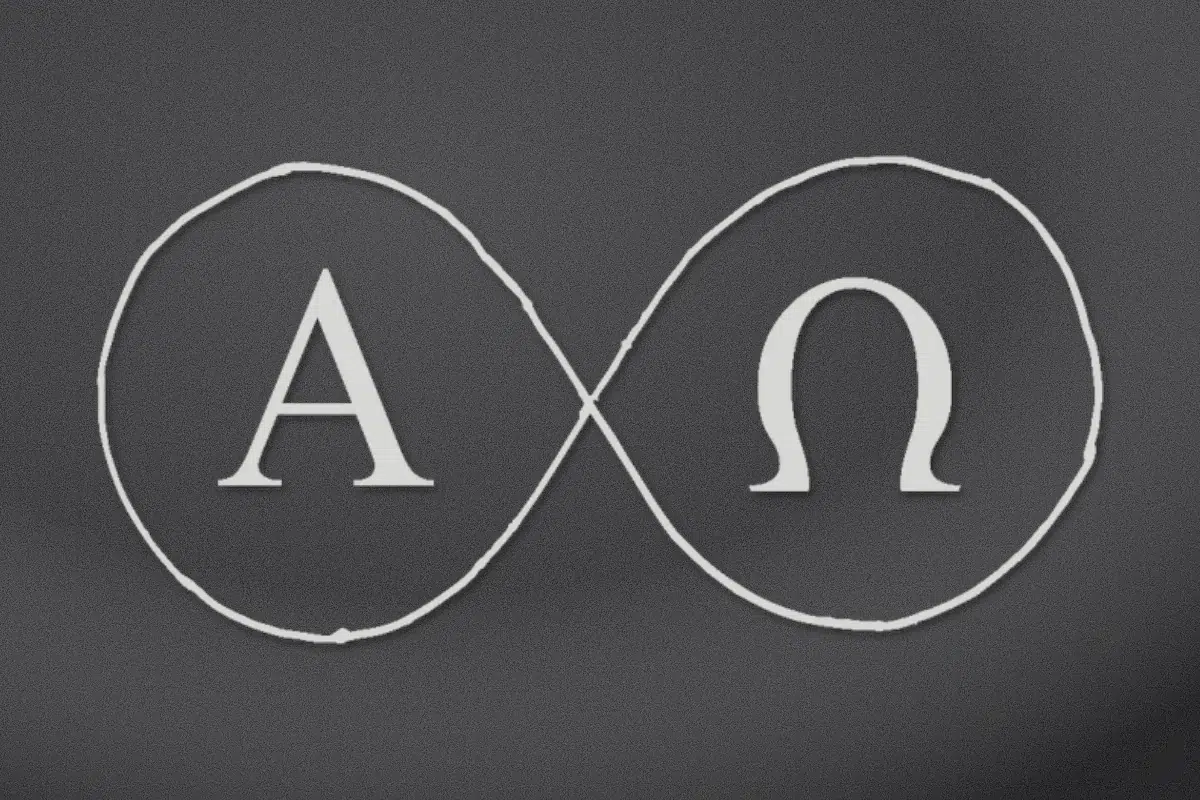
Alpha and Omega
Alpha and Omega on a headstone stand for God as the beginning and the end. They are the first and last letters of the Greek alphabet. The pairing comes from the Book of Revelation. On a headstone it also frames a whole life, from first day to last. The letters often appear beside a cross.
Chi Rho
The Chi Rho on a headstone is an early monogram of Christ. It overlays the first two Greek letters of the word Christ. It looks like the letter P with an X through its stem. Early Christians used it, and it is linked to the Roman Emperor Constantine, who used it as a military sign.
Ichthys fish
A fish outline on a headstone is a quiet sign of Christian faith. The Greek word for fish is ichthys. Each of its letters begins a word in the phrase Jesus Christ, Son of God, Saviour. Early Christians used it when open worship was dangerous. A leaping fish or a rod marks an angler instead; see Fishing rod and reel.
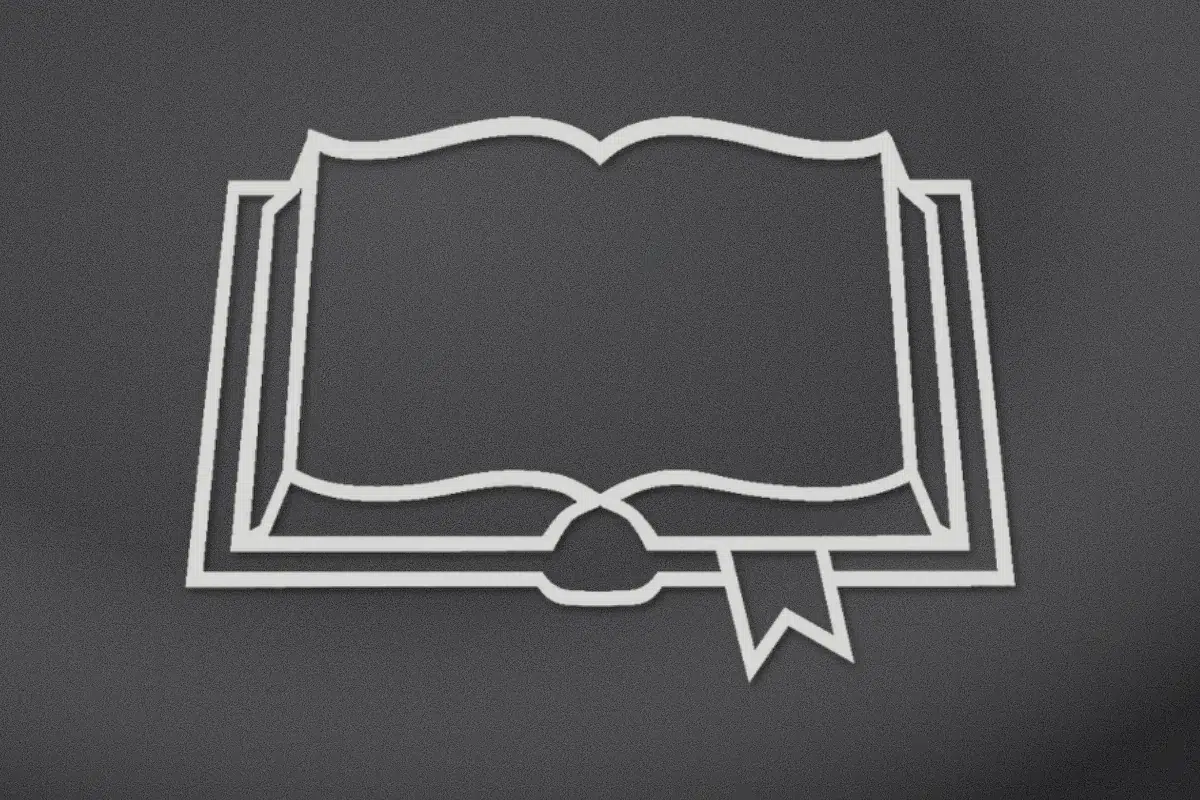
Open Bible
An open Bible on a headstone usually marks a life guided by scripture. Some read it as the Book of Life, where the names of the faithful are written. It is often carved open across the top of the stone. A favourite verse is sometimes added on the pages.
Star of David
A Star of David on a headstone marks a Jewish burial. Two overlapping triangles form the star, one of the most widely recognized signs of Jewish identity. In Hebrew it is the Magen David, the shield of David. On older Jewish stones an animal can stand for a name; see the Lion entry.
Hebrew abbreviations
Hebrew abbreviations on a Jewish headstone are markings rather than symbols, and most stones carry two. At the top, two letters stand for here lies. At the bottom, five letters paraphrase 1 Samuel 25:29. They mean may the soul be bound up in the bond of life. On most stones the English reads the bond of eternal life. The full table is in the letters section below.
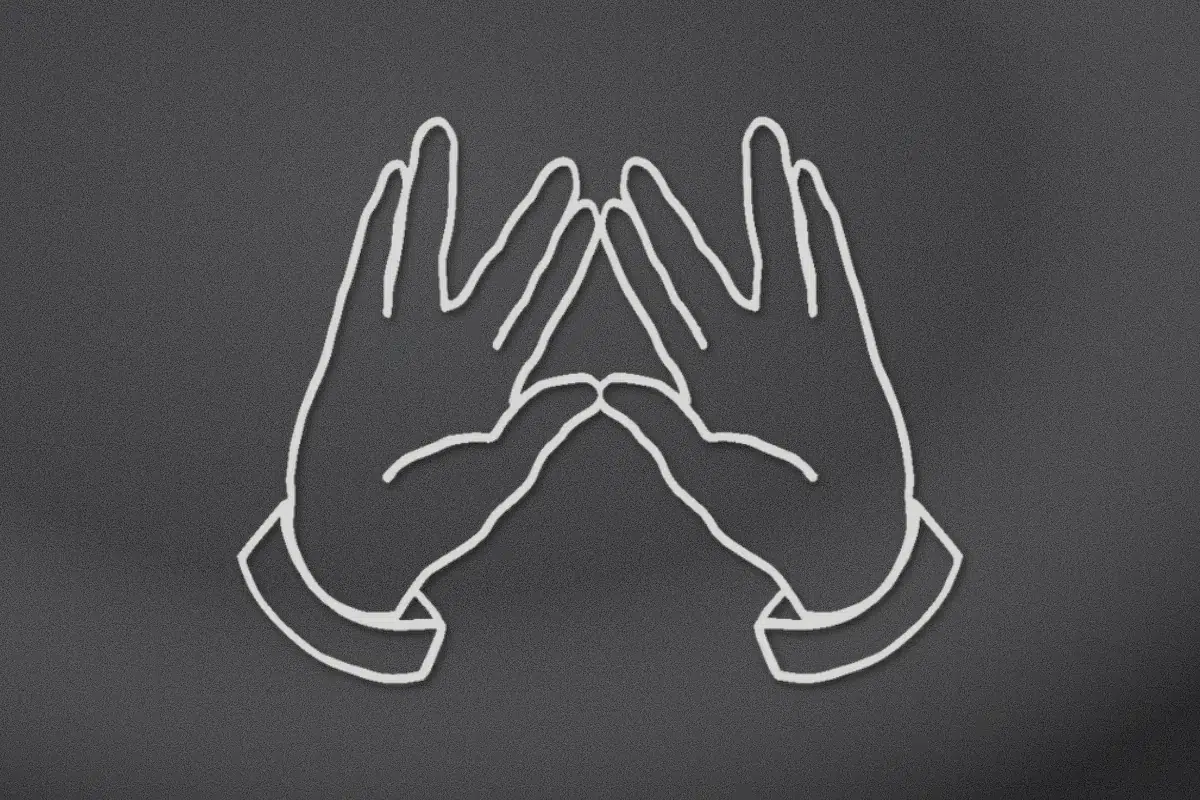
Hands of the Kohanim (Priestly Blessing)
Two hands with fingers parted in pairs mark the grave of a Kohen. A Kohen is a descendant of the priestly line of Aaron. The gesture is the Priestly Blessing, the way Kohanim hold their hands when giving the blessing in synagogue. Thumbs nearly touch, and the paired fingers give each hand the shape of the Hebrew letter shin.
Levite pitcher
A pitcher on a Jewish headstone marks a Levite, a descendant of the tribe of Levi. Levites assisted the priests in the ancient Temple, and one duty was to wash the priests’ hands. So the stone shows a jug or ewer, sometimes pouring water into a basin. It is common in Ashkenazi cemeteries and pairs with the hands of the Kohanim above.
Menorah
A menorah on a headstone stands for the divine presence and marks a Jewish grave. Seven branches rise from a single stem, recalling the great lamp of the Temple in Jerusalem. It is older than the Star of David as a Jewish symbol. Candlesticks or a candelabra often mark a woman’s grave. They honour the Sabbath candles she lit.
Crescent and star
A crescent and star on a headstone usually marks a Muslim grave. It is a cultural emblem, and some Muslim scholars reject it as a religious sign. Many Muslim graves carry no emblem, since simplicity is valued. Where there is an inscription, it may be in Arabic or in English. Some carry the words of Quran 2:156: to God we belong and to Him we shall return.
Khanda
A Khanda on a memorial is the Sikh faith’s emblem. A double edged sword stands inside the chakkar, a circle. Two kirpans cross at the base and rise either side. Sikhs cremate, and their code of conduct calls a monument at the cremation site taboo. The other Sikh mark is Ik Onkar, the opening words of the Guru Granth Sahib.
Om
Om on a memorial marks a Hindu family, though Jains and some Buddhists use the syllable too. The Sikh Ik Onkar is a different word and a different mark; see the Khanda entry. Om stands for the supreme reality, a sound Hindus treat as divine. Hindu funerals usually involve cremation, and by tradition the ashes go to a river or the sea. So families may want it on an engraved urn or a niche front rather than a grave.
Dharma wheel
A dharma wheel on a memorial marks a Buddhist family. The common form has eight spokes, read as the steps of the Noble Eightfold Path. Wheels with four or many spokes carry other readings. It is one of the auspicious signs of Buddhism and of Hindu tradition. Buddhists are often cremated. So the wheel may appear on an urn or a niche front rather than a grave.
Symbols from other traditions. Chinese monuments carry their own carved motifs, including bamboo, lotus, pine, plum and the paired dragon and phoenix. We cover those carvings on our Chinese headstones page.
Indigenous symbols. First Nations, Metis and Inuit families may mark a stone with a symbol of their own. It may belong to a nation or a clan rather than to one person. Those meanings are the community’s to give, so this guide does not list them. A family that brings such a design decides how it is shown.
Hands and figures
Clasped hands
Clasped hands on a headstone mark a farewell, or a marriage that death did not break. Two carved hands meet in a last handshake. It was one of the most common symbols on Victorian stones. Look at the sleeves: where one cuff is a man’s and one a woman’s, the hands are a couple’s.
Hand pointing up
A hand pointing up on a headstone says the soul has risen to heaven. Gravestone scholars read it as the reward of the righteous, a confirmation of life after death. It was a message of hope, common on stones of the 1800s. Often it sits at the top of the stone, above the name panel.
Hand pointing down
A hand pointing down on a headstone can mark a sudden death, or God reaching down for the soul. It looks like a bad omen, but it is not a judgment. Gravestone scholars give both readings. Carvers sometimes show the hand coming out of a cloud. Either way it marks a calling home, not a casting out.
Angel
An angel on a headstone usually stands for guardianship and guidance for the soul. Angels serve as messengers and guardians in many faiths, and each pose reads a little differently. A weeping angel marks mourning. An angel with a trumpet heralds the resurrection. Angels can also be full statues or shape the whole memorial, forms shown on our angel headstones page.
Cherub
A cherub on a headstone usually marks a child’s grave. The small winged figure stands for innocence and for a soul taken early. Victorian carvers used it often. Look for a calm face above folded wings. Some hold flowers or a small trumpet.
Classic and Victorian objects
Anchor
An anchor on a headstone usually stands for hope and steady faith. Early Christians used it as a disguised cross. On older stones it can also mark a sailor or a life spent at sea. Both readings are common, so the rest of the stone usually tells you which one applies.
Broken column
A broken column on a headstone usually stands for a life cut short. Victorian families used it for someone who died in the prime of life. Some references also read it as the loss of the head of the family. The break is deliberate, carved to look snapped rather than worn.
Draped urn
A draped urn on a headstone usually stands for mourning and the body left behind. Some lists read the urn as the soul and the drape as a final curtain. It was a popular carving from the early 1800s into the Victorian era. For whole monuments of that era, see the Victorian section of our famous graves archive.
Winged hourglass
A winged hourglass on a headstone usually means that time flies and life is brief. The sand runs out, and the wings carry the hours away. Older stones used it as a reminder of mortality, that death comes for everyone. It reads as grim now, but on older stones it was an honest statement.
Gates of heaven
Gates on a headstone usually stand for the soul entering heaven. Carvers show them slightly open, so the soul is welcomed rather than shut out. The carving is also called the gates ajar, after an 1868 novel of that name. The book pictured heaven’s gates as never fully closed. Look for it on stones from the later 1800s.
Candle
A candle on a headstone usually stands for the soul and the light of a life. Shown burning, it speaks of life and faith kept alive. A snuffed candle means that light has ended, and a broken one a life that ended too soon. In Christian use the flame can also stand for Christ, the light of the world.
Inverted torch
An inverted torch on a headstone usually stands for a life that has ended. Upright, the torch means life. Turned down, it means death. If the flame still burns, the soul lives on beyond death. The image is often traced back to Roman times.
Crown
A crown on a headstone usually stands for victory over death and the reward of a faithful life. In Christian tradition it recalls the crown of righteousness promised to believers. Older lists also read it as glory and honour, or the life after death.
Harp
A harp on a headstone usually stands for praise and music in heaven. Older lists tie it to King David and to Saint Cecilia, the patron saint of musicians. Some read it as hope, or as a bridge between heaven and earth. The harp is also a state emblem of Ireland, so it can mark Irish roots.
Scroll
A scroll on a headstone usually stands for a life and the time it was given. Older symbol lists call it a sign of life and time. With both ends rolled, it reads as a life still unfolding, its full length unknown. Neither the beginning nor the end is shown.
Lamp
A lamp on a headstone usually stands for knowledge and the lasting light of the spirit. Older lists read it as a love of learning and the immortality of the spirit. On a modern stone it names a teacher or a scholar; see Lamp of knowledge under Trades and professions.
Broken chain
A broken chain on a headstone usually marks a death in the family, one link removed. An older reading comes from a medieval idea that a chain bound the soul to the body. There the broken link means the spirit set free. Do not confuse it with the unbroken three link chain of the Odd Fellows, a fraternal order.
Wedding rings
Two linked rings on a headstone usually stand for a marriage. Older symbol lists read them simply as a married couple. On a companion stone the rings can sit between the two names. Two joined hearts carry the same message, see the Heart entry below.
Heart
A heart on a headstone usually stands for love, and two hearts mark a couple. Like the cross, the heart can also become the shape of the whole monument, single or double. See our heart shaped headstones page for those designs.
Bell
A bell on a headstone usually stands for religious faith and the call to worship. Older symbol lists give it only those readings. On its own it says little about the person, so read the rest of the stone. It is a plain, formal emblem.
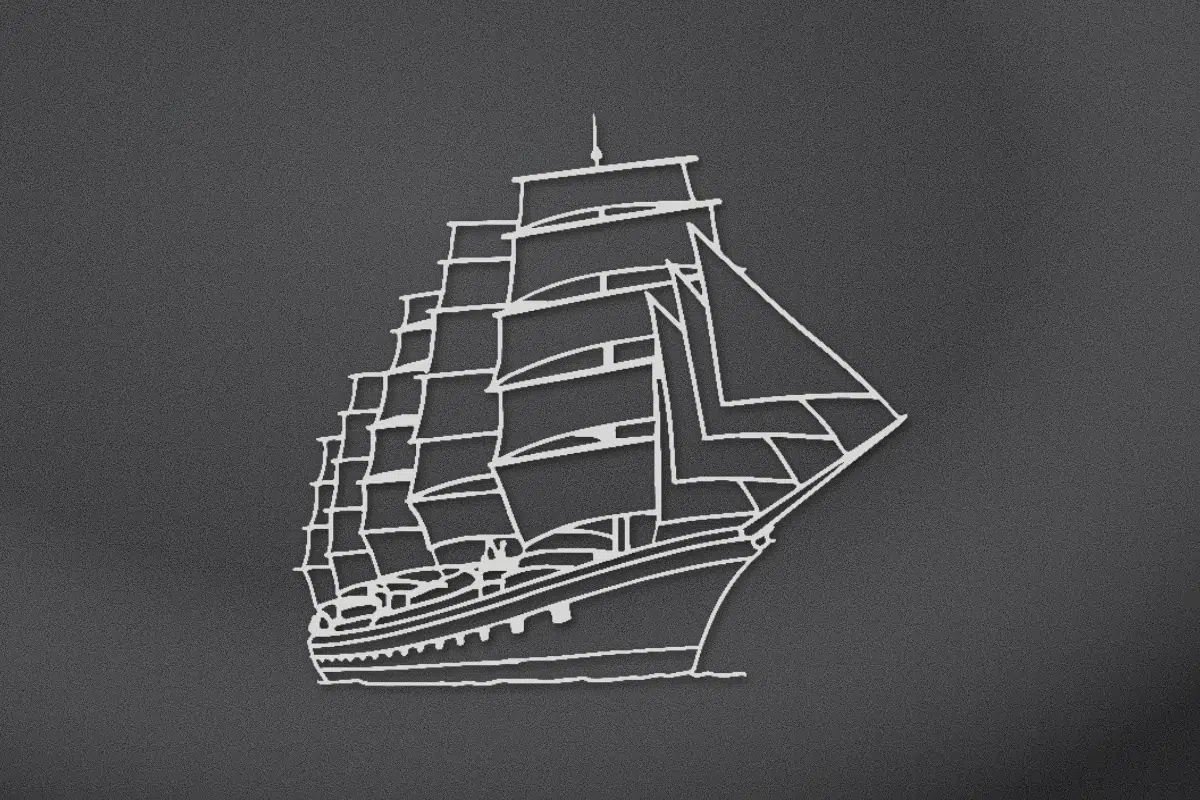
Ship
A ship on a headstone usually marks a sailor or a life spent on the water. It can also stand for the voyage of life, carrying the soul toward its last harbour. Older lists read it as hope, or simply the grave of a seafarer. The rest of the stone usually tells you which reading applies.
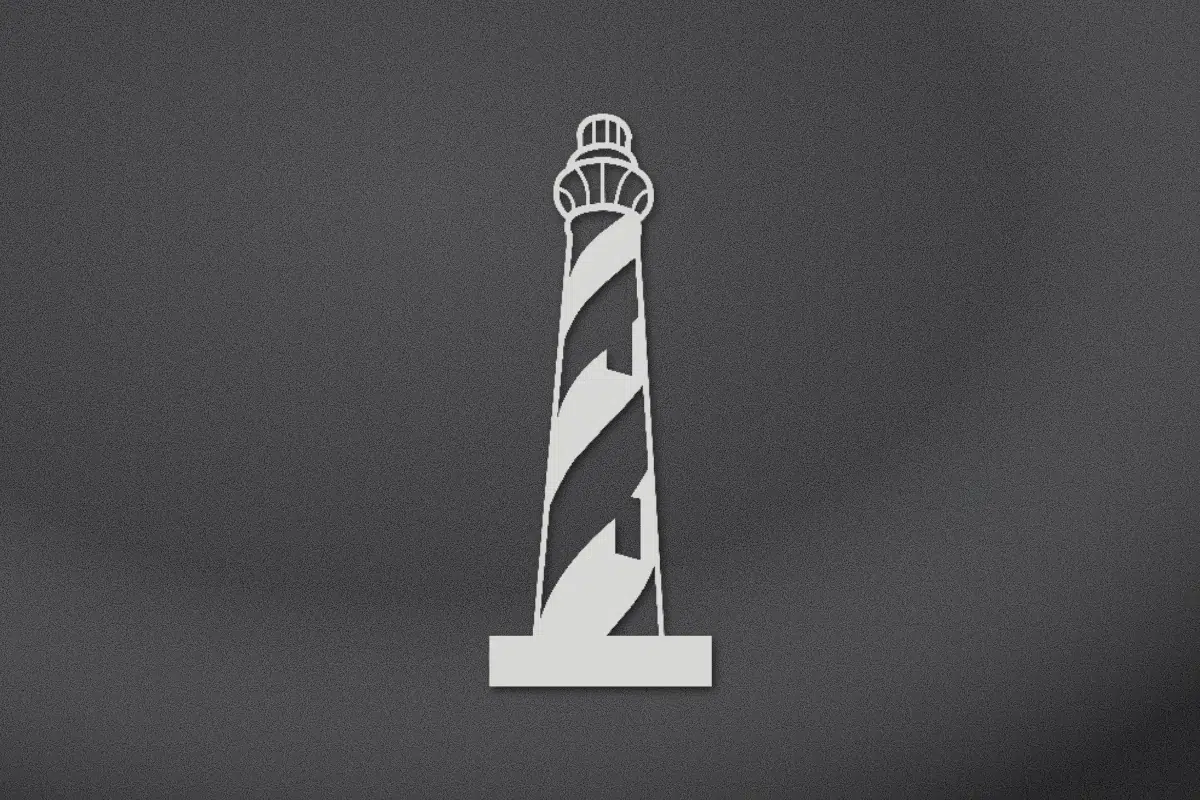
Lighthouse
A lighthouse on a headstone usually stands for guidance and safe harbour. It can also mark a lighthouse keeper. One older list reads it as the resting place of someone with inspired vision. The steady light over rough water is the picture families have in mind.
Sun, stars and nature
Rising sun
A rising sun on a headstone usually stands for renewed life and resurrection. In Christian tradition it marks the hope of a new day beyond this one. Older symbol lists give it the readings of resurrection, rebirth, and eternal life. A half sun on the horizon can also be read as setting, see the next entry.
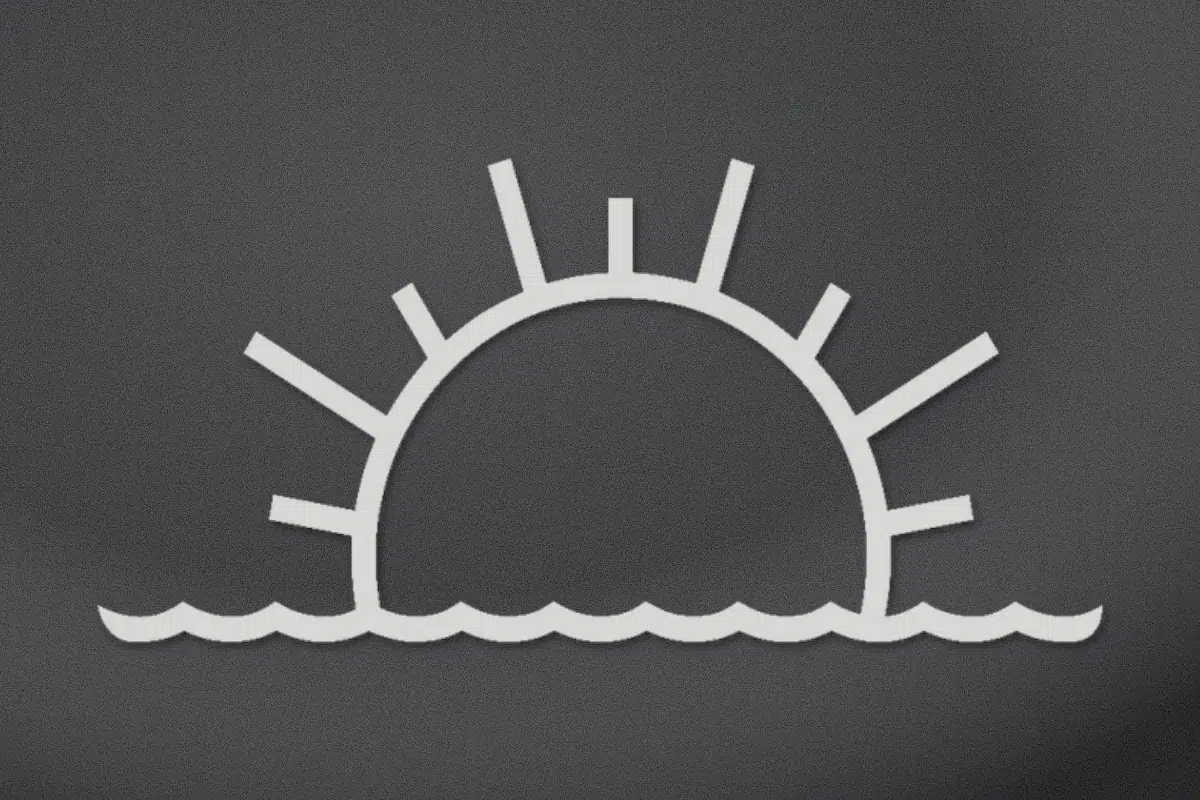
Setting sun
A setting sun on a headstone usually means death, the close of an earthly life. That is the reading in the older symbol lists. Some families read the same image as a life completed. A half sun on the horizon looks the same rising or setting. So it can carry both the ending and the promise of a new day.
Moon and stars
A moon and stars on a headstone usually stand for rebirth and the spirit shining in the dark. Older symbol lists read the moon as death and rebirth. They read stars as the spirit piercing the darkness, or as divine guidance. On a modern stone the pairing can appear as a night sky scene.
Single star
A single star on a headstone usually stands for the spirit and for divine guidance. Older lists read it as the spirit piercing the darkness, or as enlightenment and wisdom. Some also give it eternity and immortality. It is a small, quiet mark that says a light still shines.
Clouds
Clouds on a headstone usually stand for heaven and the veil between the living and God. Older lists call them the veil that conceals God from his worshippers. On some older stones a hand reaches out from a cloud. For that hand’s readings, see the hand pointing down entry.
Rainbow
A rainbow on a headstone usually stands for hope and the promise of resurrection. The reading comes from the flood story, where the rainbow is the sign of a covenant. Older symbol lists read it as union and the fulfilment of that promise. Some families choose it in a personal sense, and their meaning is the one it holds.
Mountains
Mountains on a headstone usually mark a place the person loved or a life spent outdoors. They are a personal emblem, and the meaning is the family’s.
Waves
Waves on a headstone usually mark a life spent on or near the water. They are a personal emblem, and the meaning is the family’s. Monument companies say families choose such scenes because the place had a special meaning. A sailor, a swimmer, or a cottage on the lake can all sit behind the choice.
Service, military and fraternal emblems
These emblems mark membership or service. They belong to the people who earned them. Use a lodge, order or unit badge only for a member or a veteran of that body. Check your cemetery’s rules before choosing one.
Masonic square and compasses
A square and compasses on a headstone mark a member of a Masonic lodge. The letter G often sits at the centre. In Masonic teaching the square means honest dealing, the compasses restraint. Both began as builders’ tools, but on a stone they mark a Mason, not a builder. A carpenter’s stone uses trade tools instead; see Trades and professions.
Order of the Eastern Star
A five pointed star with one point down marks a member of the Order of the Eastern Star. It is a Masonic body open to women and men. Each coloured point recalls a Bible heroine and her virtue. This point down star, with the altar at its centre, is the order’s own emblem. It is not an occult sign.
Odd Fellows three links
Three links of a chain on a headstone mark a member of the Independent Order of Odd Fellows. The links carry the letters F L T, one in each link, for friendship, love and truth. The order is a fraternal benefit society with a grand lodge in Ontario. The links stand for members bound to each other and to those values.
Knights of Columbus emblem
A shield on a cross marks a member of the Knights of Columbus, a Catholic order founded in 1882. On the shield sit an anchor, a short sword and a bundle of bound rods. The order began as a mutual benefit society for working class Catholics. The emblem marks membership, so it belongs on a member’s stone only.
Aviation wings
Wings on a headstone usually mark a pilot or aircrew. A winged badge with a crown and wreath usually marks military service, such as an RCAF pilot’s badge. Simpler wings mark a civilian pilot or a lifelong love of flight. Some families add a small aircraft instead. The meaning stays the same. A life spent in the air.
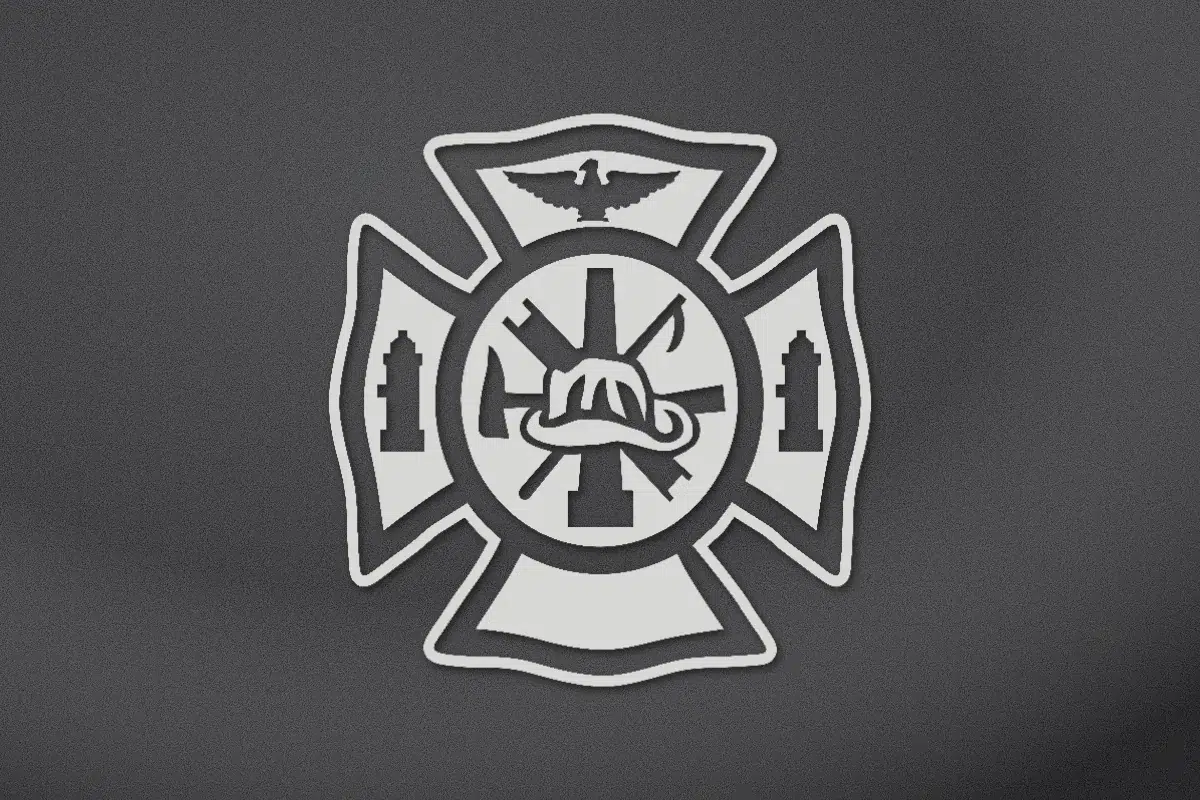
Firefighter Maltese cross
A Maltese cross on a headstone usually marks a firefighter’s service. Fire halls have used the eight pointed cross for well over a century. The centre often holds crossed axes, a ladder, a hydrant or a helmet. The tradition traces back to the Knights of Saint John, who aided the burned and injured. It honours courage and the protection of others.
Military service emblems
A regimental badge on a headstone records where a person served. Veterans’ stones often carry the regiment’s cap badge, the naval anchor or the air force eagle. On a Canadian Armed Forces headstone the service number and rank share one line above the name. The regiment or service sits below it. These emblems mark service itself, not how a life ended.
Last Post Fund military marker
The Last Post Fund marker is a grey granite military style stone on a veteran’s grave. It is upright or flat, as the cemetery allows. It may carry the name, rank, unit and dates, and the words Lest We Forget. It may also carry a religious or cultural symbol of choice. They follow the inscription standards of Veterans Affairs Canada.
Royal Canadian Legion
A Legion crest on a headstone marks a Royal Canadian Legion member. The Legion also sells a poppy headstone marker for veterans and suggests a professional install it. The Remembrance poppy image is a registered trademark of the Legion. Personal, non commercial uses are welcome. The Legion’s own example is painting poppies on small stones to place on a veteran’s grave. Anything else needs written permission from the Legion’s Dominion Command. Ask before a poppy or the Legion crest is carved into a monument.
Trades and professions
A trade emblem on a headstone marks the work a person did. Each one names an occupation and nothing more, so the inscription carries the rest. Firefighters are covered above under the Maltese cross.
Rod of Asclepius and caduceus
A staff with one snake on a headstone usually marks a doctor. It is the Rod of Asclepius, an ancient sign of healing. The caduceus has two snakes and wings. It is often used for medicine too, especially in the United States. The US Army Medical Corps adopted it in 1902. Either one reads as a doctor’s grave.

Nurse’s lamp and cap
A nurse’s lamp on a headstone marks a nurse. It recalls Florence Nightingale, the Lady with the Lamp, who made her night rounds by lamplight. Nursing schools often light a lamp or candle at their pinning ceremonies in her memory. A nurse’s cap, sometimes with the letters RN, does the same job. The lamp of knowledge below is a different lamp.
Star of Life
A Star of Life on a headstone usually marks a paramedic or another emergency medical worker. It is a blue six pointed star with a white border and the Rod of Asclepius at the centre. It is the emblem of emergency medical services, seen on ambulances and uniforms. The single snake staff in the middle is the doctor’s sign from the entry above.
Police badge
A police badge or service crest on a headstone marks a police officer. Each police service has its own crest, and the crest belongs to that service. Ask the service before its crest is carved, as you would ask a Legion branch about the Legion crest. A plain shield with no crest is the general form.
Scales of justice
Scales on a headstone usually mark a lawyer or a judge. They are the scales of Lady Justice, which weigh the evidence and arguments on both sides of a case. Some designs add her sword or her blindfold. The blindfold stands for impartiality, justice applied without regard to wealth or power. The scales alone carry the meaning.
Lamp of knowledge
A burning lamp on a headstone usually stands for knowledge and a love of learning. On a modern stone it usually names a teacher, a professor or a lifelong student. The older reading, the lasting light of the spirit, is under Lamp in Classic and Victorian objects.
Carpenter’s tools
A saw, a hammer and a steel square on a headstone mark a carpenter. The steel square is the carpenter’s own tool, used to lay out right angles and rafters. Do not confuse it with the Masonic square and compasses above, which mark a Mason, not a builder. A hard hat marks a construction worker the same way.
Chef’s hat
A tall white chef’s hat on a headstone marks a cook or a chef. The hat is the toque, part of the chef’s uniform for centuries. A knife or a whisk beside it says the same thing. The emblem names the trade and nothing else, so the inscription carries the rest.
Modern and personal emblems
Modern emblems come from the life lived, not from tradition. Most have no old meaning, so the family gives them one. The entries below are named for the carved object.
Music notes
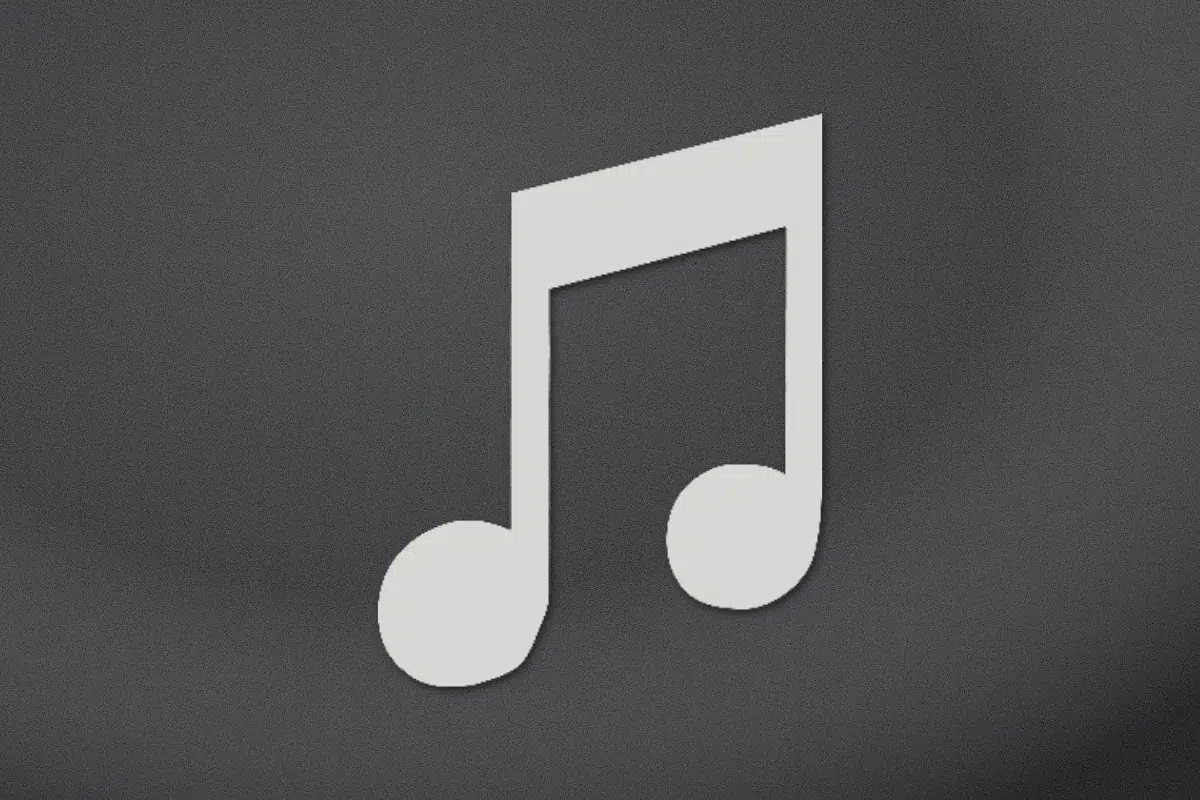
Music notes on a headstone stand for a life of music. Singers, players and people who simply loved a song are remembered this way. A treble clef or a short bar of notes is the usual form. A few bars of a real tune turn the emblem into a personal message.
Guitar or piano
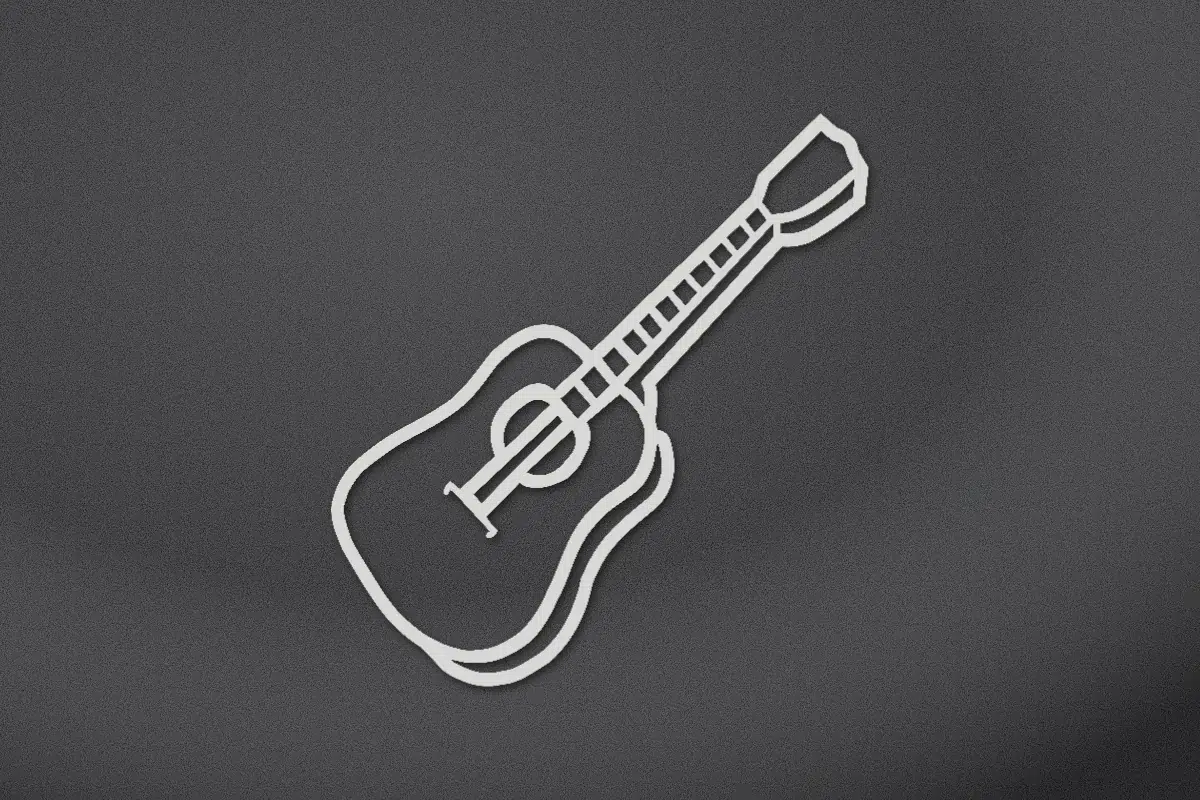
A guitar or a piano on a headstone marks the player rather than the music. The instrument can be the one the person played, down to the model. It usually sits near the name, a quiet nod to years of playing. A violin or a trumpet does the same job.
Hockey stick and skates
Crossed hockey sticks or a pair of skates on a headstone mark a hockey life. A standing player, stick in hand, is the other form, one of the ready made designs in our monument designer. A jersey number can honour a lifelong player, coach or fan. The rink mattered. The stone can say so.
Fishing rod and reel
A fishing rod and reel on a headstone mark an angler. The emblem stands for patience, early starts and time outdoors. A rod bent over quiet water or a boat at the dock carries the same meaning. The fish as a sign of faith is under Ichthys fish.
Golf clubs
Crossed golf clubs on a headstone mark a golfer. A ball on a tee or a flag on the green carries the same meaning. The emblem stands for a steady habit, friendship and long afternoons outside. Some designs show a full scene, a fairway with trees behind the flag.
Motorcycle
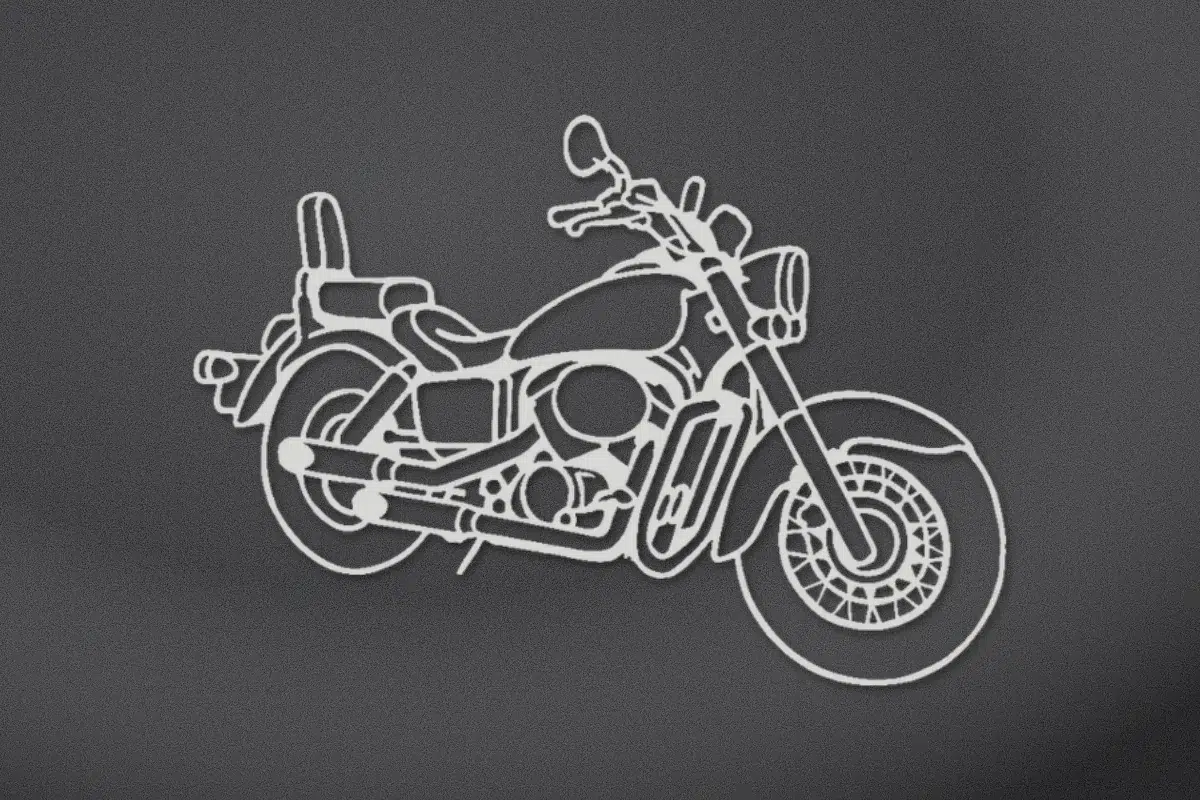
A motorcycle on a headstone marks a rider and the freedom of the open road. The design can show a specific bike, down to the model. Riders and their families choose it for the miles, not the machine. A winding road behind it says the same thing.
Tractor or truck
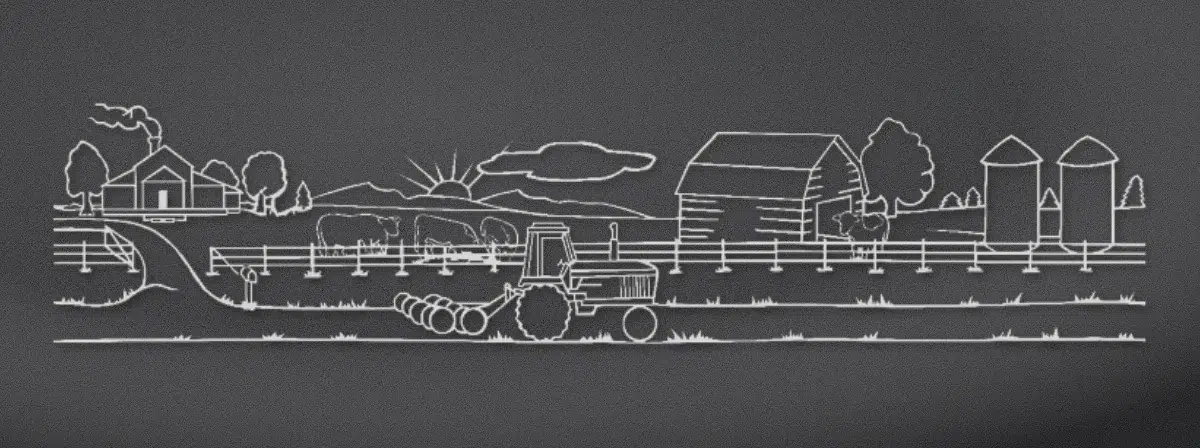
A tractor on a headstone stands for the farm, the land and decades of labour. A truck can mark a driver or a hauler, or simply a machine someone loved. Either one says that work built this life. The farm scene below shows a tractor beside the barn.
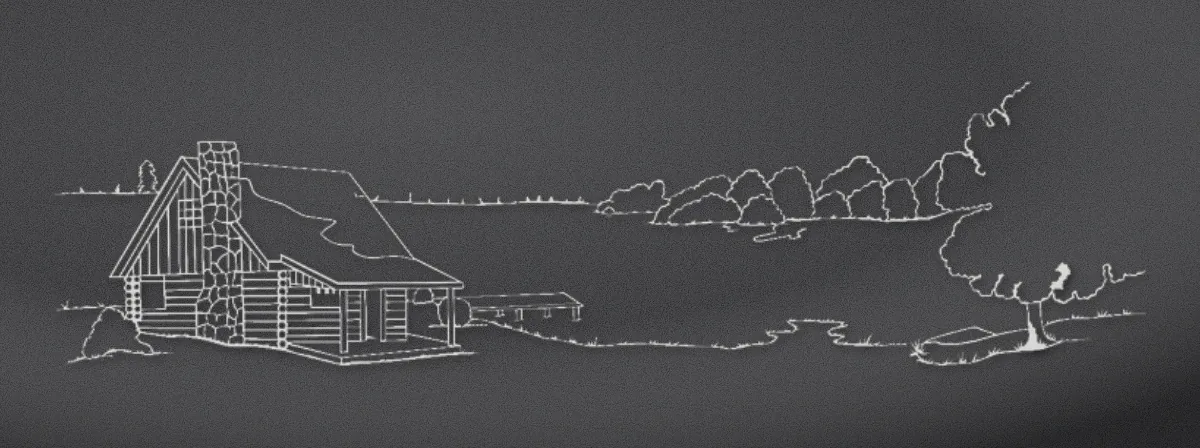
Cottage and lake scene
A lake scene on a headstone marks summers at the cottage and the people who shared them. The dock, the water and the tree line can all fit in one etched panel. A canoe pulled up on the shore is another detail a scene can hold. The loon has its own entry under Birds.
Garden tools
Garden tools on a headstone mark a gardener. A spade, a trowel and a watering can are the usual set, sometimes with a flower bed behind them. The emblem speaks to patience and the slow work of helping things grow. A single bloom can do the same job, and each flower carries a meaning of its own; see Flowers.
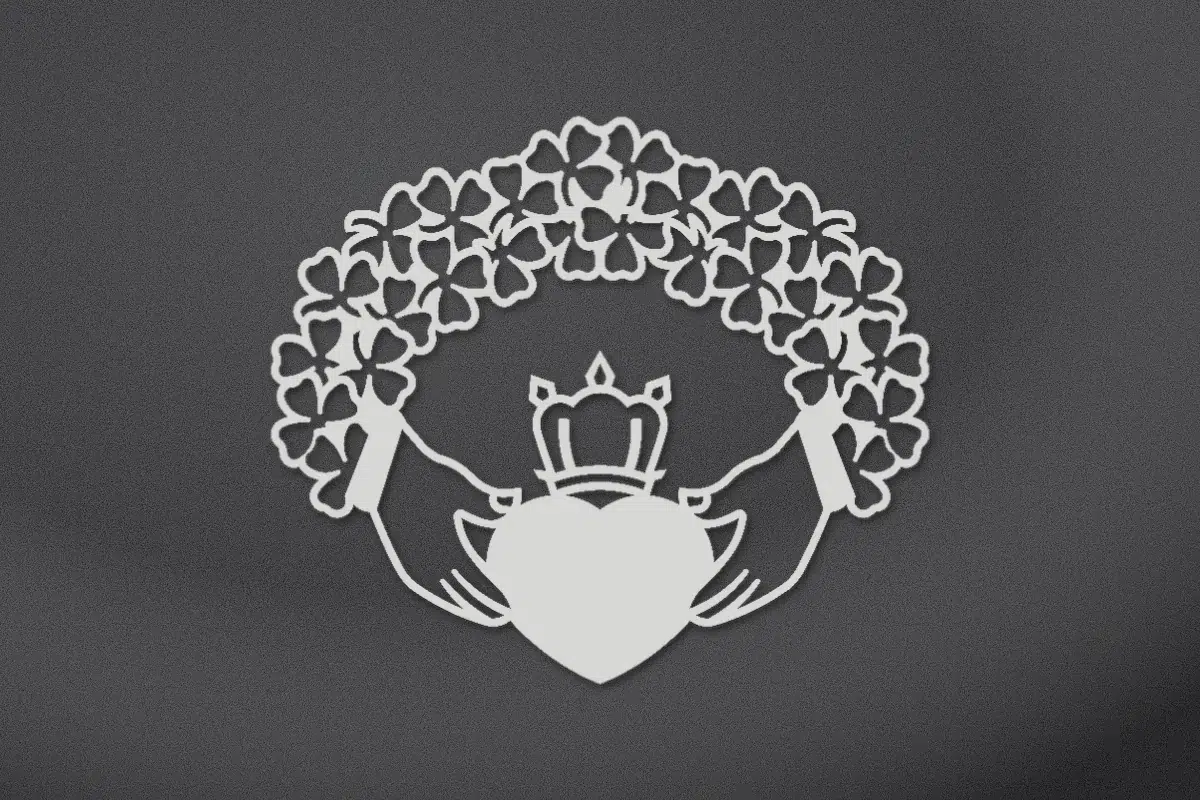
Claddagh
A Claddagh on a headstone stands for love, friendship and loyalty. The design shows two hands holding a heart with a crown above it. The heart stands for love. The hands stand for friendship, and the crown for loyalty. The design comes from Claddagh, a fishing village in Galway, so it also marks Irish heritage.
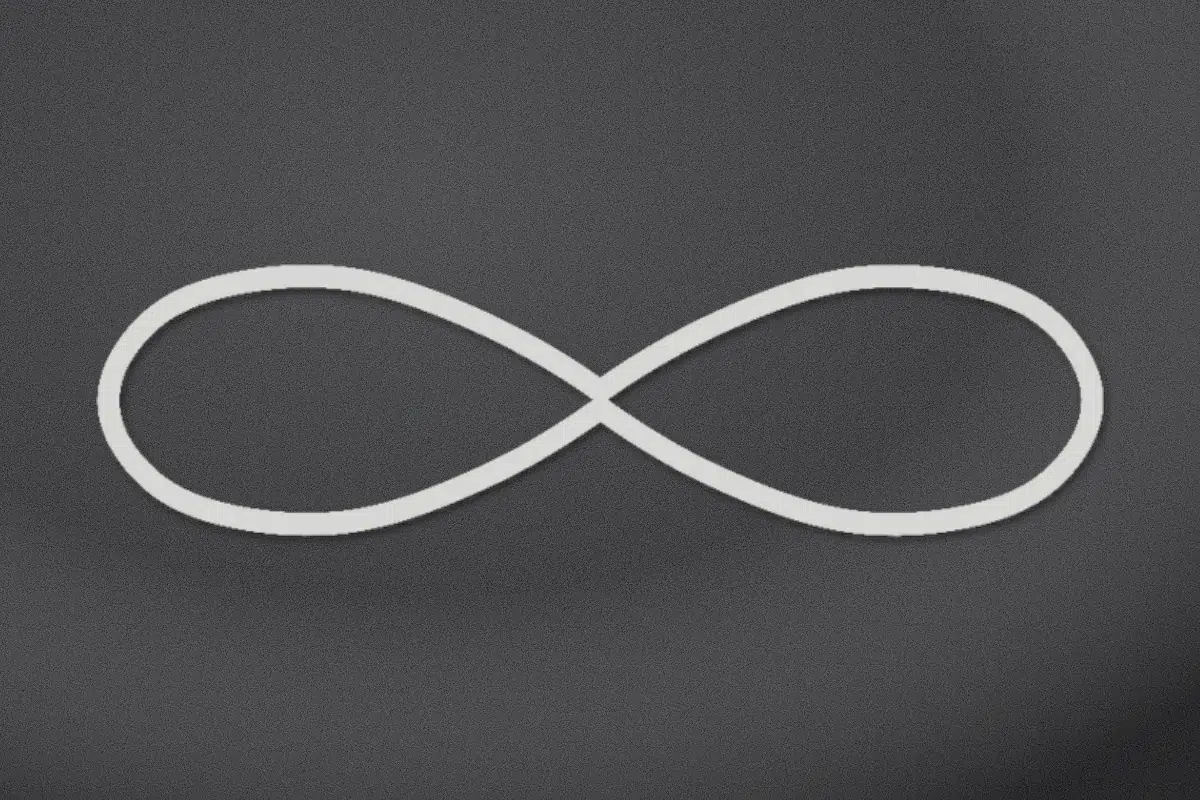
Infinity
An infinity sign on a headstone usually stands for love without end. It suits a companion stone. The same sign appears on the Metis flag, where it carries its own meanings for the Metis nation. The note on Indigenous symbols under Faith explains why this guide does not read that use.
Awareness ribbon
An awareness ribbon on a headstone names a cause. Ribbons show support for a cause, and each colour and pattern stands for a different one. On a stone it can mark the illness a person faced, or a cause they worked for. The family chooses the colour, and the colour carries the meaning.
Baby footprints
A pair of baby footprints on a headstone marks an infant’s grave. It is a modern emblem, and it does the job the lamb did on older stones. A small heart or a short name can sit between the prints. It suits a small marker as well as an upright.
Portrait and ceramic photo
A ceramic photo or a laser etched portrait puts a likeness on the stone for decades. Both are covered on our custom monuments page.
Monogram and initials
A monogram on a headstone turns a name into a mark. The letters are usually the initials of the first and last name. It is often set inside a wreath, a shield or a plain oval. Not every stone needs a picture, and a monogram suits a formal design. Two or three letters, made to last.
These emblems go on the upright headstones and flat markers we supply. To see one on a stone before you order, try a layout in our monument designer.
Letters and abbreviations on a headstone
Some markings on a stone are letters, not pictures. Most are Latin or Greek shorthand, a lodge name, or a Hebrew phrase. Here is what each one stands for. For full epitaphs and wording, see our guide on what to write on a headstone.
| Letters | Meaning |
|---|---|
| RIP | Rest in peace, from the Latin requiescat in pace, a wish for the soul’s eternal rest. |
| INRI | Jesus of Nazareth, King of the Jews, the Latin inscription placed over the cross of Christ. |
| IHS | The first three letters of Jesus in Greek, later read as Latin for Jesus, Saviour of mankind. |
| Alpha and Omega | The first and last Greek letters, a title of God and of Christ in the Book of Revelation. |
| Chi Rho | The Greek letters chi and rho laid over each other, the first two letters of Christ in Greek. |
| FLT | Friendship, Love and Truth, the Odd Fellows motto, shown with the order’s three links. |
| IOOF | Independent Order of Odd Fellows, a fraternal order whose three link chain also appears on grave markers. |
| K of C | Knights of Columbus, a Catholic fraternal service order founded in 1882. |
| OES | Order of the Eastern Star, a fraternal and charitable service organization within the family of Masonry. |
| AF and AM | Ancient Free and Accepted Masons, the title of the Masonic grand lodge for Ontario. |
| RCL | Royal Canadian Legion, a Canadian veterans’ organization founded in 1925. |
| Peh nun, two Hebrew letters at the top | Po nikbar or po nitman, meaning here lies, the usual opening of a Jewish inscription. |
| Tav nun tzadi bet heh, five Hebrew letters at the bottom | May his or her soul be bound up in the bond of eternal life, from 1 Samuel 25:29. |
| Zayin lamed, two Hebrew letters after a name | Zikhrono livrakha, may his memory be a blessing; the feminine form is zikhrona. |
Other markings on a stone
Not every mark is a symbol. On some stones a small name cut low on the base is the monument company’s signature. Catholic Cemeteries does not permit one. A short code or number can be the cemetery’s plot reference. A footstone rarely carries more than initials and a year. A small cast poppy marker from the Legion marks a veteran’s grave.
Choosing a symbol for a monument
A few practical points for choosing well:
- Meaning comes first. Pick the symbol that says something true about the person. A simple emblem with the right meaning beats an elaborate one without it.
- Match the method to the symbol. See the map above and our engraving methods guide.
- Leave room for the words. The symbol should frame the inscription, not crowd it. Our guide on what to write on a headstone covers the wording side.
- Membership emblems belong to members. Use a lodge or regimental badge only for someone who belonged to that body.
- See it on the stone first. Try a layout in our monument designer before you ask for a quote.
- Check the cemetery’s rules. See the cemetery rules section below and our GTA cemetery guide. We confirm the rules for your section before anything is engraved.
Symbols are part of the design conversation when you order an upright headstone or marker from us. If you are starting that process, our guide to monument costs in Ontario explains what to expect. Shapes and monument formats are covered in our headstone types guide.
Cemetery rules for symbols in the GTA
Catholic Cemeteries, Mount Pleasant Group and Arbor Memorial each approve a monument design before it is installed. Here is what their bylaws say about symbols, in their own words.
Catholic Cemeteries and Funeral Services. CCFS runs 21 cemeteries, including Christ the King in Markham and Mount Hope in Toronto. Its bylaws, revised January 2022, say: “All markers must have a cross incorporated into the design”. A marker includes “any monument” and “headstone”, so the rule covers uprights. The “symbolism” and “emblems” of every marker are also “subject to the approval of the Owner”, meaning the cemetery. So a loon or a hockey player would need approval, and it would sit beside a cross. Upright monuments may carry “no paint” on the surface “except for incised lettering and the background of carving”.
Mount Pleasant Group. MPG’s bylaws, effective May 1, 2024, cover ten cemeteries, including Elgin Mills in Richmond Hill and Pine Hills in Scarborough. A layout goes to the cemetery before delivery. It “must detail all inscriptions and design elements”, “including etchings, emblems etc”. Inscriptions are approved only when “in keeping with the dignity and decorum of the Cemetery”. Bronze, granite or stainless steel emblems “must be attached by means of pins or clips”.
Arbor Memorial. Arbor’s Ontario bylaws, effective November 2017, cover Glenview in Woodbridge and Glendale in Etobicoke, among others. Its marker rules bar any “inscription or image” that “may be seen as offensive”. They also bar anything “not in keeping with the dignity and decorum of the Cemetery”. The monument section adds: “Logos or Company symbols are not permitted”.
Municipal and other cemeteries. Rules vary from town to town, so check with the office before you order. Mississauga’s cemetery bylaw, for example, requires the Commissioner’s approval of a marker’s design and sets no emblem rule. Plot prices, size limits and other bylaw rules for each operator are in our GTA cemetery guide. We confirm the section rules for every monument we supply.
Sources
- Stone and Russell, Observations on Figures, Human and Divine, on Nineteenth Century Ontario Gravestones, Material Culture Review, 1986: journals.lib.unb.ca
- Association for Gravestone Studies, Symbolism: gravestonestudies.org
- Catholic Cemeteries and Funeral Services, Operating Bylaws, revised January 2022: Catholic Cemeteries and Funeral Services
- Mount Pleasant Group, Cemetery Bylaws, effective May 1, 2024: mountpleasantgroup.com
- Arbor Memorial, Cemetery Bylaws (Ontario), effective November 2017: arbormemorial.ca
- City of Mississauga, Municipal Cemeteries Bylaw 189-05: mississauga.ca
- Royal Canadian Legion, The Poppy Trademark: legion.ca
- Last Post Fund, Unmarked Grave Program: lastpostfund.ca
- Legislative Assembly of Ontario, Ontario’s symbols: ola.org
Retrieved 2026-09-12.
Frequently asked questions
What do the symbols and markings on a headstone mean?
Most headstone symbols carry meanings built up over generations, and some carry more than one. A dove usually stands for peace, a lamb for innocence, a rose for love. Ivy stands for lasting friendship and immortality, and an anchor for hope. Faith symbols like the cross and the Star of David mark a religious tradition. Modern stones often add personal emblems from the life lived, like music notes or sports gear.
What is the most common symbol on old gravestones?
The draped urn and the weeping willow are among the most common symbols on gravestones from the 1800s. Stone and Russell’s study of Ontario stones from 1835 to 1885 found the willow the most common design. Pointing or shaking hands came close behind. The urn stands for mourning and the willow for grief.
What does a dove on a headstone mean?
A dove on a headstone usually means peace and the soul at rest. A dove with an olive branch adds hope. A descending dove is a Christian symbol of the Holy Spirit. It is one of the most common birds on memorials.
What does a lamb on a gravestone mean?
A lamb on a gravestone usually marks a child’s grave. It stands for innocence and for the child in God’s care. On older stones the lamb is often carved lying down, as if asleep. On modern granite it can be engraved or etched instead.
What does a hand pointing down on a headstone mean?
A hand pointing down on a headstone can look like a judgment. It is not. It can mark a sudden death, or God reaching down from heaven for the soul. A hand pointing up means the soul has risen to heaven. Both appear on stones from the 1800s.
What do clasped hands on a headstone mean?
Clasped hands on a headstone usually mark a farewell, or a marriage that death did not break. Where one cuff is a man’s and one a woman’s, the marriage reading applies. It was a common carving on stones of the 1800s.
What does an anchor on a headstone mean?
An anchor on a headstone usually stands for hope and steady faith. Early Christians used it as a hidden cross. On older stones it can also mark a sailor or a life spent at sea.
What does IHS mean on a headstone?
IHS on a headstone is a monogram of the name Jesus. It comes from the first three letters of the name in Greek. It marks a Christian grave. A later reading treats it as Latin for Jesus, Saviour of Mankind.
Can any symbol be engraved on a headstone?
Almost any design can be turned into a stencil for sandblasting or etched by laser. Common emblems are available as ready made artwork. Custom drawings, portraits and scenes can also be engraved. The main limits are the size of the stone and your cemetery’s design rules, which we confirm before engraving.
Do cemeteries restrict headstone symbols?
Yes. The GTA’s main cemetery operators all require approval of a monument design before installation. Some go further. Catholic Cemeteries and Funeral Services requires a cross in every marker’s design. Its bylaws also make symbolism and emblems subject to approval. Mount Pleasant Group and Arbor Memorial approve only what is in keeping with the cemetery’s dignity and decorum. Mount Pleasant also requires a layout that shows every etching and emblem. Mississauga’s municipal cemeteries approve the design and set no emblem rule. We confirm the section rules for every monument we supply. See the cemetery rules section of this guide and our GTA cemetery guide.